Beet Root Powder in ACV Gummies: What It Does
| What it is | Dried, milled beets — a plant-based powder rich in natural pigments called betalains. |
| Its main job | A natural colour that gives ACV gummies a warm red-pink hue without artificial dye. |
| The nitrate story | Whole beets are traditionally valued and are a source of dietary nitrates — but a colouring pinch is not a vegetable serving. |
| Where to find it | On the “other ingredients” line of the Supplement Facts panel. |

Scan the ingredient list on an apple cider vinegar gummy and, tucked among the pectin and natural flavours, you will often spot “beet root powder.” It is easy to assume it is there for some dramatic health benefit — but the real reason is usually more down-to-earth and more honest. This guide explains what beet root powder in ACV gummies actually is, why formulators reach for it, the traditional story around beets and nitrates, and how to place it correctly when you are reading a label so you neither overrate nor overlook it.
What beet root powder actually is
Beet root powder is exactly what it sounds like: beets — the humble red root vegetable — dried and milled into a fine, deep-crimson powder. Nothing is added; it is simply a concentrated, shelf-stable form of a whole vegetable. Its striking colour comes from a family of natural plant pigments called betalains, the same compounds that stain your fingers (and your cutting board) when you handle fresh beets. Those pigments are what make beet root such a useful natural colouring agent in food and supplements.
Why beet root powder is in an ACV gummy
The primary reason is refreshingly practical: colour. Apple cider vinegar and BHB salts are not naturally vivid, and a plain gummy can look dull or grey. A small amount of beet root powder gives the gummy an appealing warm red-pink shade — the kind of colour shoppers associate with fruit — without resorting to synthetic dyes such as artificial reds. For brands and buyers who prefer a clean, natural ingredient list, that is a meaningful choice.
So when beet root appears on the “other ingredients” line rather than in the active blend, that placement is telling you something: its job here is mainly to make the product look good, naturally. That is not a mark against it — a natural colourant is a perfectly good reason to include an ingredient — but it does set the right expectation. If you want to understand how the other-ingredients line works in general, see our guide on how to read an apple cider vinegar gummy label.
The beet and nitrate story — kept honest
Beets have a genuine reputation as a nourishing whole food. They are a natural source of dietary nitrates, along with fibre, folate and the betalain pigments, and beetroot juice in particular has been studied for its nitrate content. That is why you will see concentrated beetroot products marketed on their own for people who want a bigger serving.
Here is the honest caveat, though: the pinch of beet root powder used to colour a gummy is not a vegetable serving and should not be read as one. The amount present for colour is small — typically a fraction of what you would get from eating a beet or drinking beetroot juice. Treat it as a natural colourant that happens to come from a wholesome source, not as a reason on its own to choose a product. Beets, in gummy-colour quantities, do not diagnose, treat, cure or prevent anything.
Naturally coloured, clearly labelled
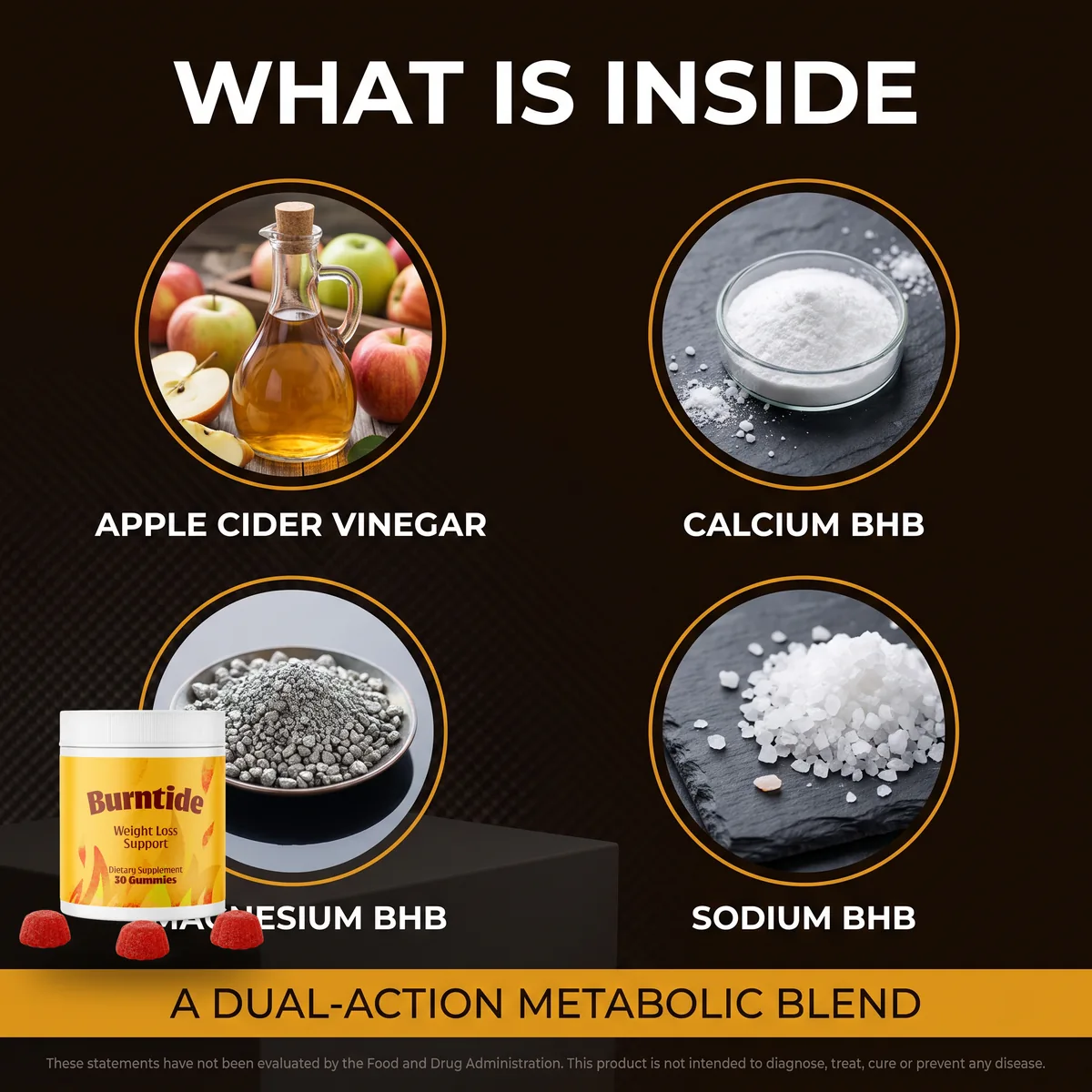
BurnTide uses beet root powder for a natural colour and publishes its full ingredient list — apple cider vinegar plus calcium, magnesium and sodium BHB — so you can see exactly what is inside.
See BurnTide PackagesNatural colour vs artificial dye
The choice between a plant-based colourant and a synthetic dye is one of the quiet ways formulas differ. Many shoppers actively prefer to avoid artificial colours, and using beet root powder is a straightforward way for a brand to meet that preference. A few things worth knowing:
- Beet root is plant-derived. It is a recognisable whole-food ingredient, which suits a clean-label approach.
- Natural colours can vary slightly. Because they come from real plants, minor batch-to-batch differences in shade are normal and not a defect.
- It keeps the list short and familiar. “Beet root powder” is easier to recognise than a numbered dye.
None of this changes what the product is for — the actives still do the work — but it reflects a thoughtful approach to the parts of a gummy beyond the headline ingredients.
How to place beet root powder when reading a label
Put simply: find it, understand its role, and weight it correctly.
- Where it sits. If beet root is on the other-ingredients line, it is there mainly for colour. If it is inside the active blend with a stated amount, the brand is positioning it as a functional ingredient — and you can judge the amount accordingly.
- What to expect. As a colourant, expect appearance benefits, not a vegetable serving.
- What really matters. Judge the product on its actives first. For the metabolic story, read apple cider vinegar and BHB for weight loss, then use beet root as a small point in favour of a natural, clean ingredient list.
A clean, simple daily gummy
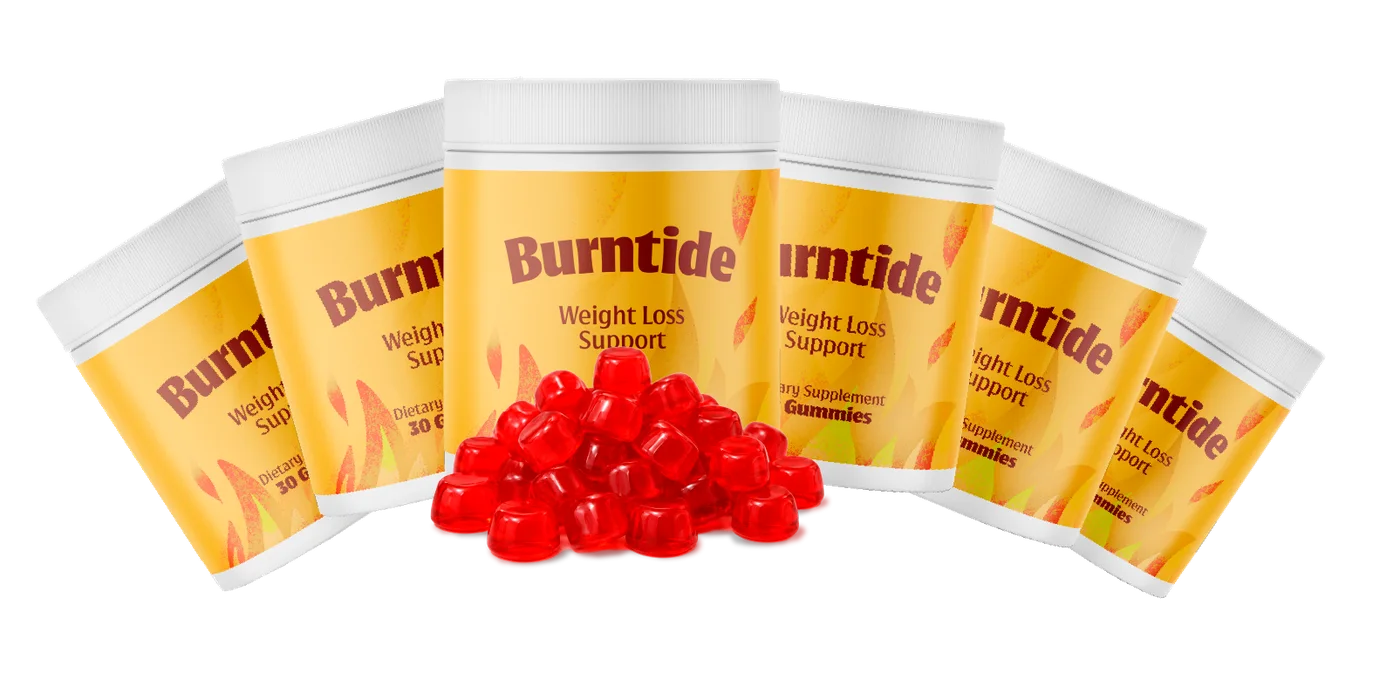
BurnTide keeps the actives front and centre and colours its gummies naturally with beet root. The multi-jar bundle is the best value and comes with a 60-day money-back guarantee.
Order BurnTide TodayThe honest bottom line
Beet root powder in ACV gummies is, in most cases, a natural colourant — a plant-based way to give a gummy an appealing shade without artificial dye, with a wholesome origin as a bonus. Beets themselves are a nourishing food and a source of dietary nitrates, but the colouring amount in a gummy is not a vegetable serving. Read the label, note where beet root sits, judge the product on its actives, and treat the natural colour as the small, sensible plus that it is. To see how a transparent formula presents all of this, start from the BurnTide homepage.
Frequently asked questions
Why is beet root powder in apple cider vinegar gummies?
Beet root powder is most often used as a natural colour, giving gummies a warm red-pink hue without artificial dye. It is a plant-based ingredient that also brings a small amount of the nutrients found in beets.
What is beet root powder made from?
It is simply beets — the root vegetable — dried and milled into a fine powder. The rich colour comes from natural pigments called betalains, which is why beet root is a popular natural food colouring.
Does beet root powder in a gummy do anything besides colour?
In the small amounts used for colour, its main job is appearance. Beets are traditionally valued as a whole food and are a source of dietary nitrates, but a pinch used as a colourant is not a meaningful serving of vegetables and should not be treated as one.
Is beet root powder natural or artificial?
It is a natural, plant-derived ingredient. Many brands choose beet root powder specifically to avoid synthetic red dyes, which appeals to shoppers who prefer natural colours on the ingredient list.
Will beet root powder change how a gummy tastes?
At the low levels used for colour, beet root has little noticeable effect on taste, which is dominated by the fruit flavours and sweeteners. Its purpose is mainly visual rather than about flavour.
Is a gummy with beet root powder safe to take daily?
For most healthy adults a once-daily gummy taken as directed is well tolerated. Beet root can tint urine or stool a harmless pink in some people. If you are pregnant, nursing, under 18, taking medication or managing a health condition, talk with your healthcare professional first.
This guide was written and reviewed by the BurnTide Research Team, an independent group that reads the primary literature on metabolic-support ingredients and translates it into plain English. We work label-first: every ingredient claim on this site is checked against the published Supplement Facts panel, and we describe traditional or general use rather than making medical claims.
We treat even minor ingredients honestly — a colourant is a colourant, and we say so. Nothing here is medical advice; for questions about your own health, speak with a qualified professional.
References
- U.S. Department of Agriculture, FoodData Central — nutrient composition of beets and beet products.
- National Center for Biotechnology Information (NCBI), PubMed — research literature on beetroot, betalains and dietary nitrates.
- U.S. Food & Drug Administration — background on colour additives from natural sources.
- BurnTide Supplement Facts panel — ingredient and serving details transcribed directly from the product label.
† These statements have not been evaluated by the Food and Drug Administration. This product is not intended to diagnose, treat, cure or prevent any disease. This article is for general information only and is not medical advice; speak with a qualified healthcare professional before starting any supplement.