How to Read an Apple Cider Vinegar Gummy Label
| Start here | Serving size and gummies per serving — every other number on the panel is per serving. |
| Find the active | The amount of apple cider vinegar (and any BHB), and whether it’s broken out or in a proprietary blend. |
| Check the sugar | Total and added sugars, plus the sweeteners on the other-ingredients line. |
| Trust signals | Made in an FDA-registered, GMP-certified facility — and remember, that means the facility, not FDA product approval. |
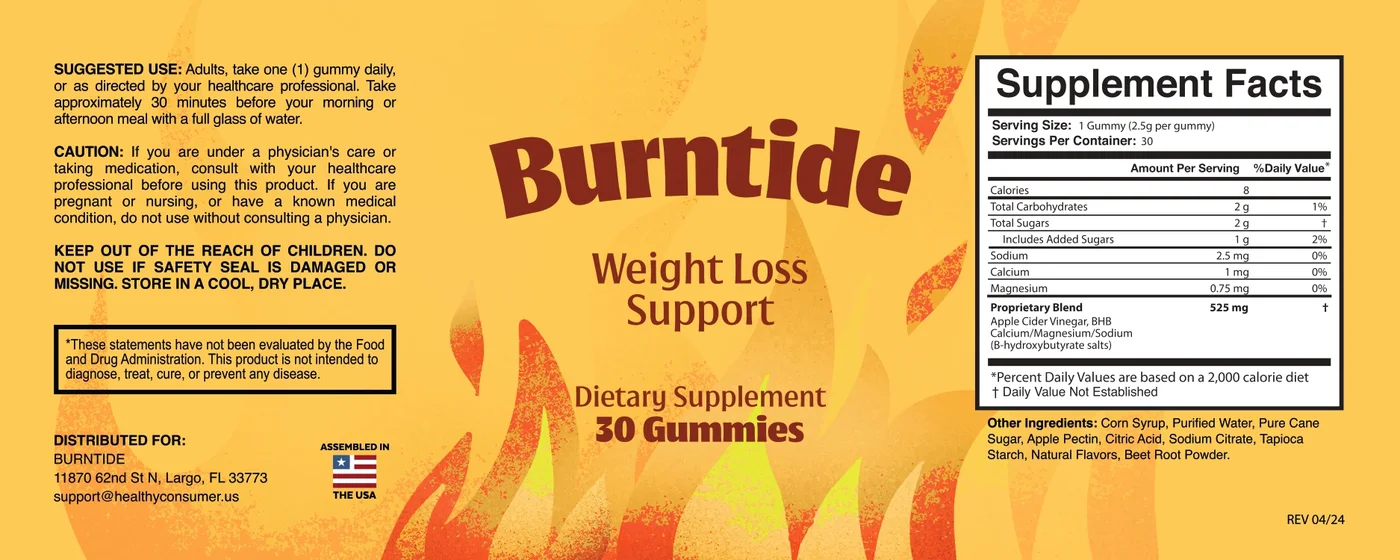
Apple cider vinegar gummies all look similar in the aisle, but the labels tell very different stories once you know how to read them. Learning how to read an apple cider vinegar gummy label takes only a few minutes and saves you from paying for sugar with a splash of vinegar. This guide walks through a Supplement Facts panel line by line — serving size, the active ingredients, proprietary blends, sugar, the other-ingredients list and manufacturing standards — so you can compare any two ACV gummies fairly and know exactly what you are buying.
Start with the serving size
The very first line to find is the serving size, usually expressed as a number of gummies. This matters more than people realise, because every other number on the panel is per serving. A product that lists an impressive ACV amount “per serving” of two or three gummies is not the same as one that delivers it in a single gummy. Also check the servings per container so you know how long a jar actually lasts — a jar of 60 gummies at two per serving is really a 30-day supply.
BurnTide, for reference, is built around one gummy a day, so the serving size and the daily dose are the same thing. When you compare products, always normalise to the same serving before you judge the numbers.
Find the active ingredients
Next, locate the apple cider vinegar itself — and, in a dual-action formula, any BHB. This is the heart of the label. A few patterns you will see:
- ACV listed on its own, by weight. The cleanest case: you can see exactly how many milligrams of apple cider vinegar are in a serving.
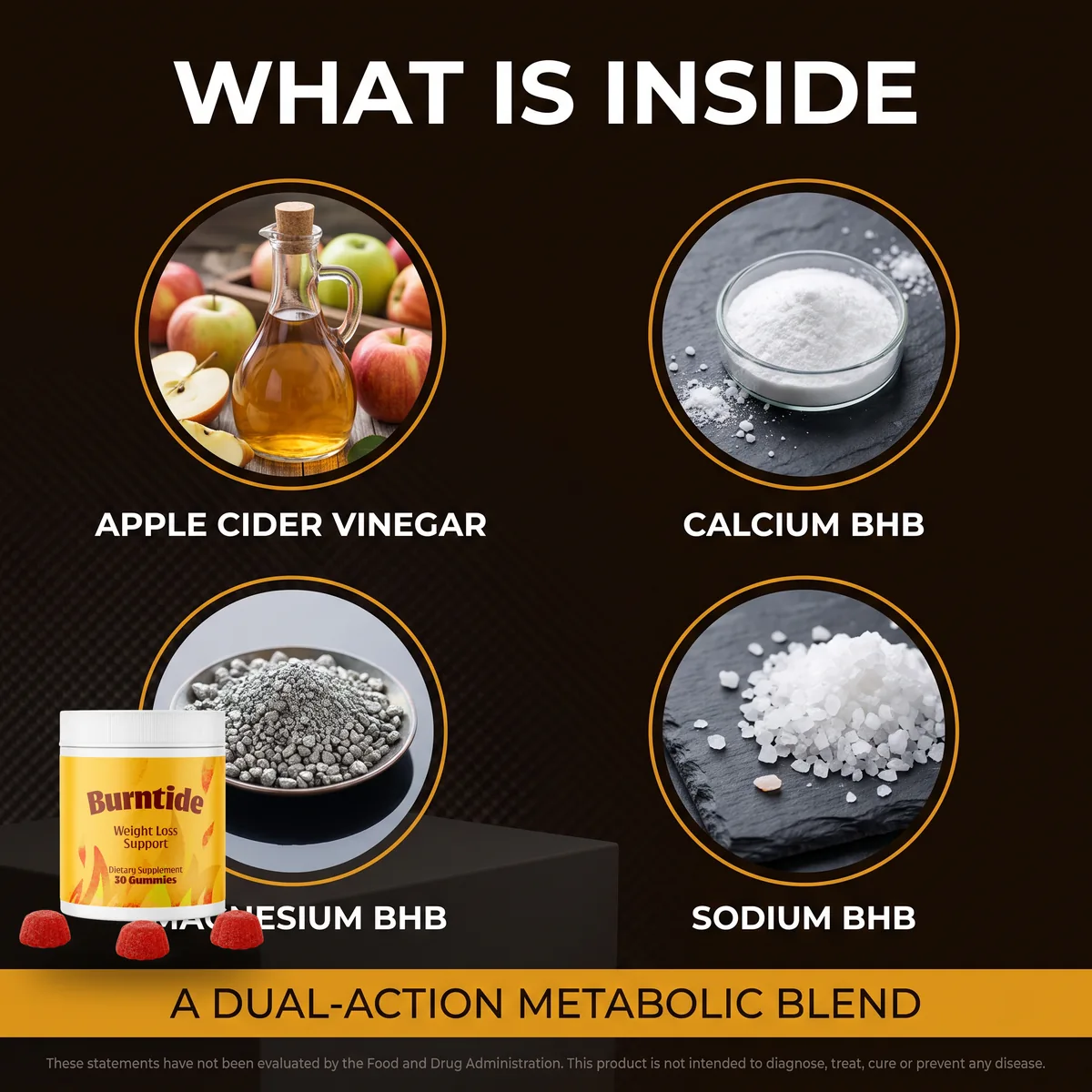
- ACV inside a proprietary blend. Very common. The label gives a single milligram figure for the whole blend — for example apple cider vinegar plus BHB salts — without splitting out each ingredient.
- ACV as a concentrate or extract. Note the concentration ratio if given, since a concentrate is more potent by weight than plain vinegar.
None of these is automatically bad, but they are not directly comparable. To understand what the blend is actually delivering, it helps to know the ingredients inside it — our guides on how BHB ketone salts work and calcium, magnesium and sodium BHB salts explain what those components do.
Decode the proprietary blend
Proprietary blends deserve their own moment because they confuse a lot of shoppers. A proprietary blend is a group of ingredients disclosed together as one combined weight, listed in descending order of amount, without revealing how much of each is present. It is legal and extremely common in the supplement world. The upside is that it names the ingredients and gives you a total; the downside is that you cannot see the exact split.
How to handle it in practice: read the order (the first-listed ingredient is present in the greatest amount), note the total milligrams, and compare like with like. If a competitor breaks its actives out individually and another hides everything in a blend, factor that transparency into your decision. A trustworthy brand publishes its full panel where you can read it — you can see BurnTide’s on the homepage ingredients section.
Check the sugar and calories
Gummies are, by nature, sweetened — that is what makes them pleasant to take — so the sugar line matters. Look at both total sugars and added sugars, and remember these are per serving. Then cross-check the other-ingredients list for the specific sweeteners: cane sugar, corn syrup, glucose syrup or sugar alcohols each behave differently. If you are watching sugar closely, this is the single most important comparison between two ACV gummies, because the vinegar content might be similar while the sugar content is not.
Read the “other ingredients” line
Below the Supplement Facts box sits the other-ingredients line, and it is more informative than people expect. This is where you find the gelling agents, sweeteners, acids, colours and flavours that make a gummy a gummy. Common entries include:
- Pectin (often apple pectin) — a plant-based gelling agent, which is why many gummies are suitable for vegetarians.
- Tapioca starch, citric acid, sodium citrate — texture and acidity balancers.
- Natural flavours and colours — where a formula may use plant-derived colour such as beet root powder instead of artificial dye.
Scanning this line helps you match a product to your preferences — vegetarian, gelatin-free, no artificial colours — and spot anything you want to avoid.
See a full, transparent panel
BurnTide publishes its complete Supplement Facts panel — apple cider vinegar plus calcium, magnesium and sodium BHB — so you can read exactly what a daily gummy delivers.
See BurnTide PackagesLook for the trust signals
Finally, scan for the manufacturing and quality markers that separate a serious product from a novelty:
- Made in an FDA-registered facility. Useful context — but read it precisely. It means the facility is registered with the FDA, not that the FDA approved or evaluated the product. Supplements are not FDA-approved the way drugs are.
- GMP-certified. Good Manufacturing Practice certification signals consistent quality-control standards.
- Made in the USA, non-GMO, gluten-free, vegetarian. Helpful if these matter to you; confirm them against the panel rather than the front-of-jar art.
- Clear contact details and a guarantee. A real address and a money-back guarantee reflect a company standing behind its product.
A label you can actually read
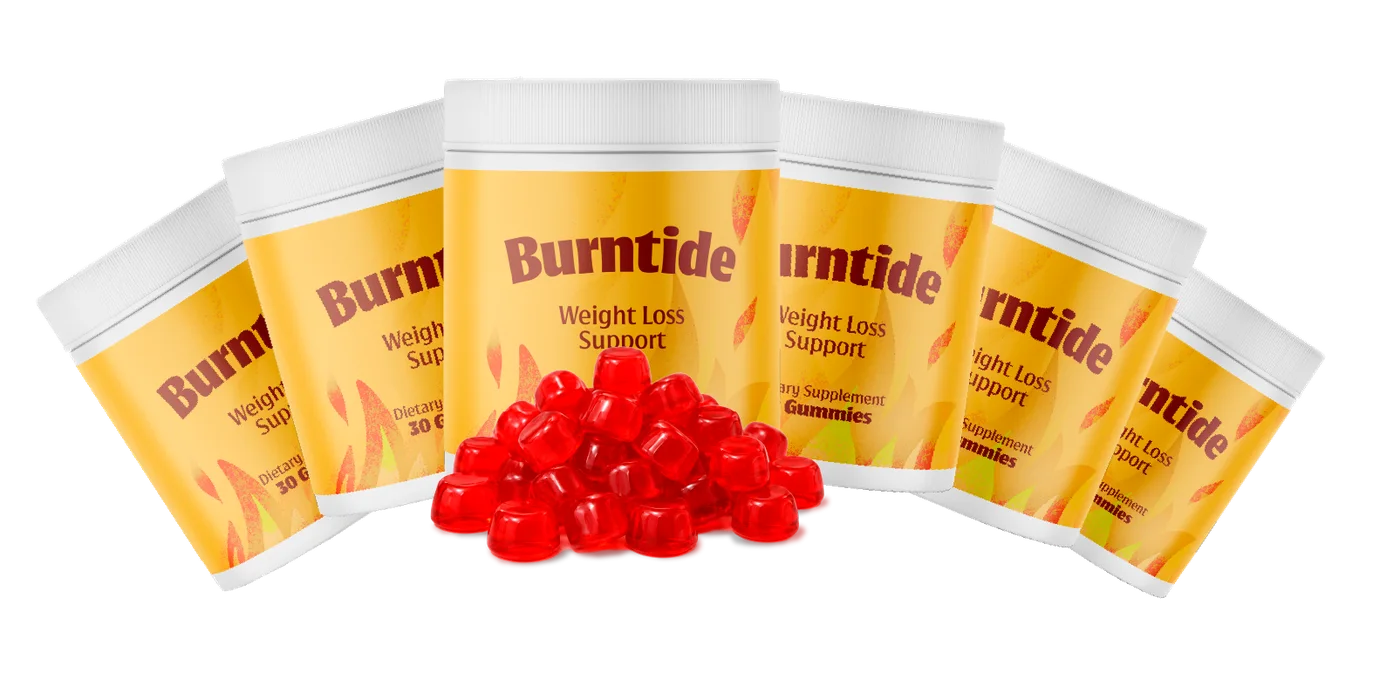
BurnTide keeps it simple: one daily gummy, apple cider vinegar plus BHB, and a full panel you can check. The multi-jar bundle is the best value and comes with a 60-day money-back guarantee.
Order BurnTide TodayPutting it all together
Reading an apple cider vinegar gummy label comes down to a repeatable routine: start with the serving size, find the ACV (and any BHB), decode the proprietary blend, check the sugar, scan the other ingredients, and confirm the trust signals. Do that and you can compare any two products in under a minute — and you will never again mistake a sugary novelty for a considered formula. For the bigger picture on the actives themselves, read apple cider vinegar and BHB for weight loss. And remember that no gummy diagnoses, treats, cures or prevents anything; the best formula is a supporting habit inside a sensible routine.
Frequently asked questions
What should I look for first on an apple cider vinegar gummy label?
Start with the serving size and the number of gummies per serving, then find the amount of apple cider vinegar. Everything else on the panel is measured per serving, so those numbers set the context for the rest of the label.
What is a proprietary blend on a gummy label?
A proprietary blend lists the combined weight of several ingredients as a single milligram figure without breaking out each one. It is legal and common, but it means you see the total — for example ACV plus BHB salts — rather than the exact amount of each ingredient.
How much sugar is in an apple cider vinegar gummy?
It varies by brand. Gummies are usually sweetened, so check the total and added sugars line and the other-ingredients list for cane sugar, corn syrup or sugar alcohols. If sugar matters to you, compare products on that line specifically.
What does “FDA-registered facility” mean on a supplement?
It means the facility that makes the product is registered with the FDA and subject to its facility requirements. It does not mean the FDA approved or evaluated the product itself. Dietary supplements are not FDA-approved the way drugs are.
Do the other ingredients on a gummy label matter?
Yes. The other-ingredients line reveals the sweeteners, gelling agents, colours and flavours used. It is where you spot things like pectin, tapioca starch, natural flavours or beet root powder, and it helps you match a product to your dietary preferences.
Is a serving always one gummy?
No — it varies. Some products set a serving at two or three gummies, which changes how a jar’s count translates into days of supply and how the ingredient amounts compare. Always normalise to the same serving before judging two labels.
This guide was written and reviewed by the BurnTide Research Team, an independent group that reads the primary literature on metabolic-support ingredients and translates it into plain English. We work label-first: every ingredient claim on this site is checked against the published Supplement Facts panel, and we describe traditional or general use rather than making medical claims.
Teaching label literacy is central to what we do — an informed shopper is a better shopper. Nothing here is medical advice; for questions about your own health, speak with a qualified professional.
References
- U.S. Food & Drug Administration — guidance on Supplement Facts labelling, proprietary blends and dietary supplement regulation.
- National Institutes of Health, Office of Dietary Supplements — consumer guidance on reading supplement labels.
- Federal Trade Commission — guidance on truthful supplement advertising and substantiation.
- BurnTide Supplement Facts panel — ingredient and serving details transcribed directly from the product label.
† These statements have not been evaluated by the Food and Drug Administration. This product is not intended to diagnose, treat, cure or prevent any disease. This article is for general information only and is not medical advice; speak with a qualified healthcare professional before starting any supplement.