Calcium, Magnesium & Sodium BHB Salts Explained
| What they are | Beta-hydroxybutyrate (BHB) bound to three minerals — calcium, magnesium and sodium — to form stable, absorbable salts. |
| Why the minerals | They stabilise the ketone and make it practical in a supplement; they also double as electrolytes. |
| Why a mix | Blending three minerals spreads the mineral load instead of leaning on one. |
| What to check | The milligrams and percent Daily Value on the Supplement Facts panel — and whether BHB is in a proprietary blend. |
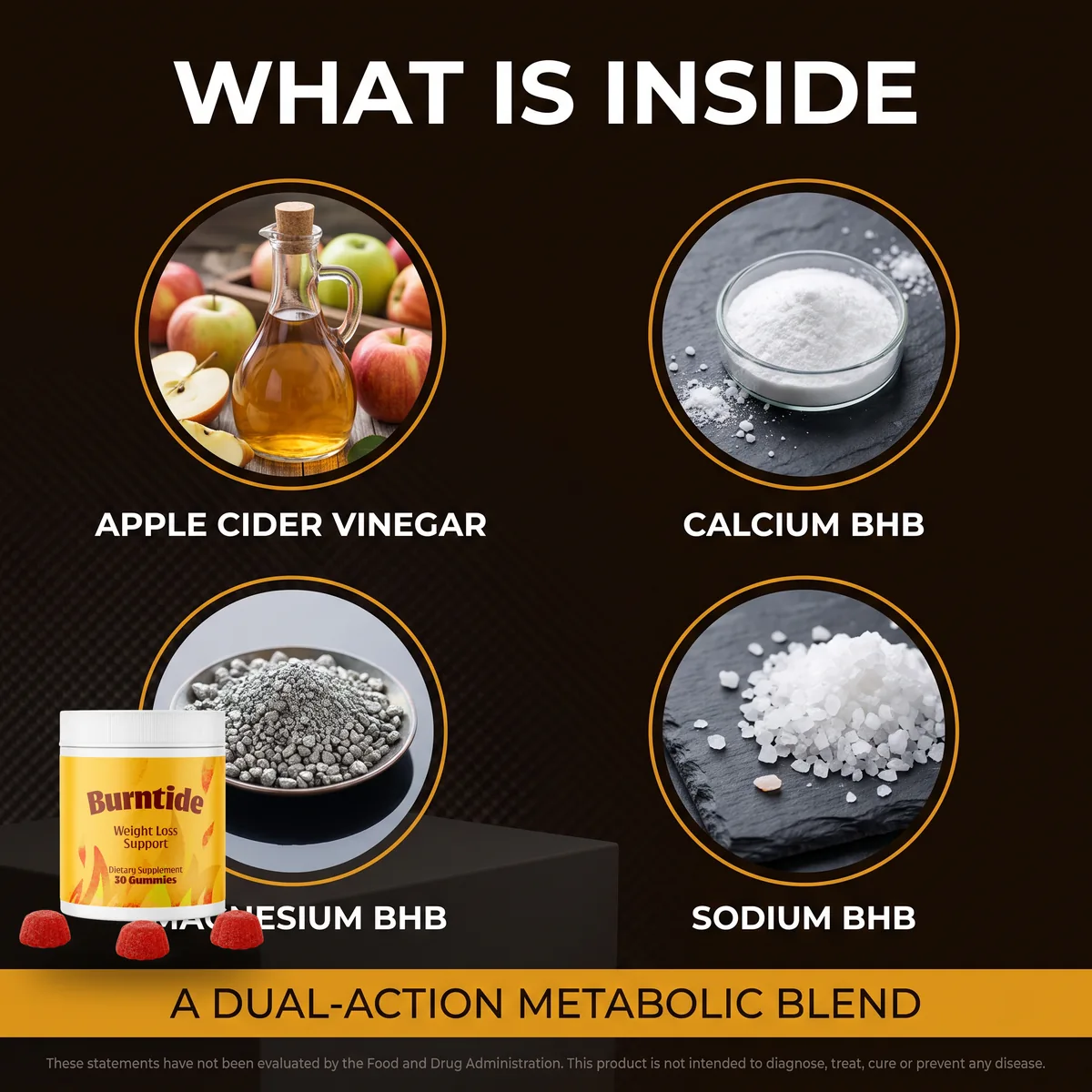
Turn over a ketone supplement and you will often see the same trio spelled out: calcium, magnesium and sodium BHB — sometimes written as calcium beta-hydroxybutyrate, magnesium beta-hydroxybutyrate and sodium beta-hydroxybutyrate. It looks technical, but the idea behind these mineral BHB salts is simple once you know what each part is doing. This guide explains why BHB is bound to minerals in the first place, what each of the three salts contributes, the electrolyte angle, and how to read the amounts on a label so you can compare products fairly.
First, a quick refresher on BHB
BHB is short for beta-hydroxybutyrate, a ketone body your own liver produces for backup energy when carbohydrates run low — during fasting, low-carb eating or long gaps between meals. It is a normal, natural fuel your body already makes. If you want the full mechanism, our companion guide covers how BHB ketone salts work in plain English. For this article, the one thing to remember is that BHB is the fuel molecule, and the minerals are simply how that molecule is packaged.
Why is BHB bound to minerals at all?
On its own, beta-hydroxybutyrate is an acid, and a free acid is not stable, shelf-friendly or pleasant to take. To turn it into something you can actually put in a gummy or capsule, manufacturers combine it with a mineral base. That reaction neutralises the acid and produces a stable compound — a salt. So “BHB salts” is not a marketing flourish; it is a literal description of the chemistry. The mineral is the counterpart that makes the ketone practical to consume.
The clever part is the choice of minerals. Rather than using an inert filler, formulators use calcium, magnesium and sodium — three minerals that are also electrolytes, meaning they carry an electrical charge and support normal fluid balance and everyday energy metabolism. In other words, the carrier does double duty.
What each mineral BHB salt contributes
An important point up front: all three salts deliver the same BHB ketone. They differ mainly in which mineral rides along. Here is the plain-English breakdown.
Calcium BHB
Calcium is the most abundant mineral in the body and is best known for its role in bones and teeth, but it is also involved in normal muscle function and cellular signalling. As a BHB carrier, calcium is a common, well-tolerated choice, which is why calcium beta-hydroxybutyrate frequently leads the list on ketone labels.
Magnesium BHB
Magnesium participates in hundreds of enzymatic reactions and contributes to normal energy metabolism and muscle and nerve function. Many people do not get quite enough magnesium from diet alone, so pairing the ketone with magnesium is a sensible way to spread the mineral load across more than one element.
Sodium BHB
Sodium is the primary electrolyte in the fluid outside your cells and is central to hydration and fluid balance. It is included because it makes a stable, readily usable BHB salt — though it is also the one to keep an eye on if you watch your sodium intake, which is why the amount is listed on the panel.
Why use a blend of three instead of just one?
Using a single mineral would concentrate the entire mineral load in one element. If a formula relied only on sodium BHB, for instance, the sodium figure would climb faster. Blending calcium, magnesium and sodium spreads the load, keeps any single mineral in check, and lets the formula lean on the different roles each mineral plays in normal metabolism. It is a balance-and-tolerability decision as much as anything else.
See the exact mineral BHB blend
BurnTide combines apple cider vinegar with calcium, magnesium and sodium BHB salts in one daily gummy — with the full Supplement Facts panel published on the product page.
See BurnTide PackagesThe electrolyte angle
Because BHB salts carry calcium, magnesium and sodium, they contribute a small amount of electrolytes with each serving. That is a modest, welcome bonus rather than a replacement for a dedicated electrolyte or mineral supplement. In a gummy, the mineral amounts are usually small — often only a few milligrams each, listed with a percent Daily Value that is frequently in the low single digits. A ketone powder taken by the scoop can contribute noticeably more, especially sodium. The lesson is the same either way: read the panel.
How to read the amounts on a label
This is where careful shoppers separate a transparent product from a vague one. A few things to check:
- Look for the minerals listed with a percent Daily Value. Calcium, magnesium and sodium each have an established Daily Value, so a good label shows both the milligrams and the % DV.
- Check whether BHB is broken out or in a proprietary blend. A proprietary blend lists the combined weight of several ingredients — for example ACV plus BHB salts as a single milligram figure — without splitting each one out. That is legal and common, but it means you cannot see the exact BHB amount.
- Mind the sodium figure if you watch your intake. It is right there on the panel; use it.
- Compare products on the same basis. Milligrams of a blend in a gummy are not directly comparable to grams of isolated BHB in a powder.
If a Supplement Facts panel still feels like a foreign language, our line-by-line walkthrough of how to read an apple cider vinegar gummy label will make it click, and it applies directly to BHB gummies too.
Mineral BHB salts in one daily gummy
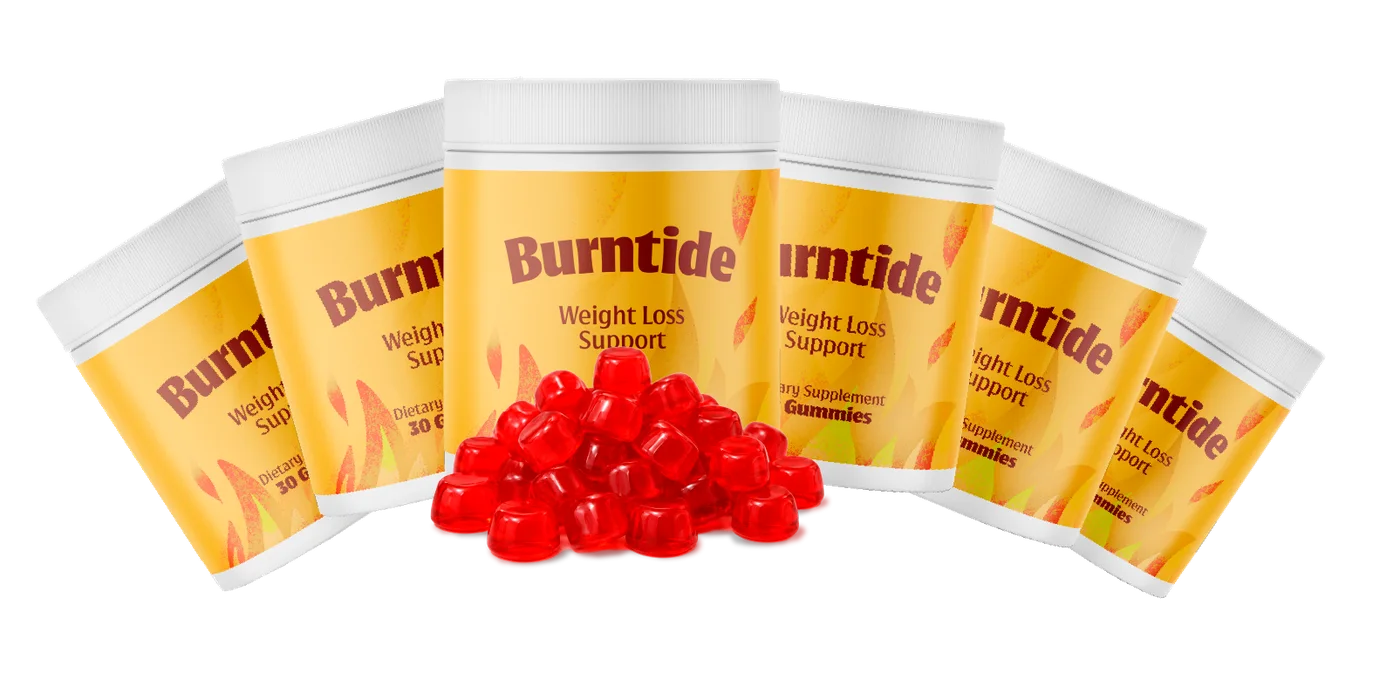
BurnTide pairs apple cider vinegar with calcium, magnesium and sodium BHB — no scoops, no capsules. The multi-jar bundle is the best value and comes with a 60-day money-back guarantee.
Order BurnTide TodayThe honest bottom line
Calcium, magnesium and sodium BHB salts are simply beta-hydroxybutyrate packaged with three useful minerals so the ketone is stable, absorbable and practical to take — with a small electrolyte bonus along the way. They are not a mineral megadose, and no BHB salt diagnoses, treats, cures or prevents anything. Like any supplement, they work best as a supporting habit inside a sensible routine of balanced eating, movement and sleep. Read the panel, compare on the same basis, and see how a transparent formula lists its blend on the BurnTide homepage — or read how the whole formula fits together in apple cider vinegar and BHB for weight loss.
Frequently asked questions
Why is BHB bound to calcium, magnesium and sodium?
Pure beta-hydroxybutyrate is an unstable acid. Binding it to minerals such as calcium, magnesium and sodium creates a stable, absorbable salt that is practical to put in a supplement. The minerals also serve as electrolytes.
What does each BHB mineral salt do?
All three carry the same BHB ketone; they differ mainly in the mineral attached. Calcium BHB pairs the ketone with calcium, magnesium BHB with magnesium, and sodium BHB with sodium. Using a mix balances the mineral load rather than relying on one alone.
Do BHB salts add a lot of sodium to my diet?
In a gummy the amounts are usually small — often only a few milligrams per serving. A ketone powder taken by the scoop can contribute more sodium than a single gummy. Always check the Supplement Facts panel for the exact figure.
Are the minerals in BHB salts the same as a multivitamin dose?
Not necessarily. The minerals in a BHB salt are there mainly to carry the ketone, so the amounts can be modest and are listed with their percent Daily Value on the label. A BHB gummy is not a substitute for a dedicated mineral supplement.
How do I know how much BHB I am getting?
Check whether the label lists BHB by weight or folds it into a proprietary blend. A proprietary blend gives the combined milligrams of several ingredients without breaking each one out, so read it carefully and compare products on the same basis.
Are mineral BHB salts safe to take daily?
For most healthy adults a once-daily serving taken as directed is well tolerated. If you are pregnant, nursing, under 18, on a sodium-restricted diet, taking medication or managing a health condition, talk with your healthcare professional before starting.
This guide was written and reviewed by the BurnTide Research Team, an independent group that reads the primary literature on metabolic-support ingredients and translates it into plain English. We work label-first: every ingredient claim on this site is checked against the published Supplement Facts panel, and we describe traditional or general use rather than making medical claims.
We would rather under-claim and stay accurate than oversell. Nothing here is medical advice; for questions about your own health — especially around sodium or mineral intake — speak with a qualified professional.
References
- National Institutes of Health, Office of Dietary Supplements — fact sheets on calcium, magnesium and sodium and their roles in normal metabolism.
- National Library of Medicine, MedlinePlus — consumer information on electrolytes and ketones.
- National Center for Biotechnology Information (NCBI), PubMed — research literature on beta-hydroxybutyrate and exogenous ketone salts.
- BurnTide Supplement Facts panel — ingredient and serving details transcribed directly from the product label.
† These statements have not been evaluated by the Food and Drug Administration. This product is not intended to diagnose, treat, cure or prevent any disease. This article is for general information only and is not medical advice; speak with a qualified healthcare professional before starting any supplement.