BHB Salts vs Ketone Esters: What’s the Difference?
| BHB salts | Beta-hydroxybutyrate bound to minerals (calcium, magnesium, sodium). Milder taste, adds electrolytes, affordable — the standard for gummies. |
| Ketone esters | Beta-hydroxybutyrate bound to an alcohol backbone. Raises blood ketones higher and faster, but bitter, harsh and expensive. |
| Same goal | Both are exogenous ketones — ready ketone fuel from outside the body. Neither replaces diet-driven ketosis. |
| Everyday pick | For a daily routine, BHB salts win on cost, taste and electrolytes. Esters are mostly for research and elite sport. |
If you have gone down the exogenous-ketone rabbit hole, you have run into two very different products wearing similar marketing. On one side are BHB salts — the form you find in most capsules, powders and gummies. On the other are ketone esters — a pricier, more intense form popular in research labs and among endurance athletes. Both deliver beta-hydroxybutyrate from outside the body, but they are built differently and behave differently. This guide explains BHB salts vs ketone esters in plain English: what each one is, how they compare on taste, cost and dosing, and why a daily gummy almost always uses salts.
First, what both have in common
Before the differences, the shared foundation. Both BHB salts and ketone esters are exogenous ketones — a fancy way of saying “ketones you take in, rather than ones your body makes.” The star molecule in each is beta-hydroxybutyrate (BHB), the most abundant ketone body circulating in your blood and a normal backup fuel your liver produces when carbohydrates run low.
If the idea of endogenous versus exogenous ketones is new to you, our primer on how BHB ketone salts work lays out the whole picture. The short version: your body already makes and burns BHB every day; exogenous forms simply supply that same ketone directly. Where salts and esters part ways is in what the BHB is attached to, and that single structural choice changes almost everything about how the two products taste, cost and are used.
BHB salts: beta-hydroxybutyrate bound to minerals
Pure beta-hydroxybutyrate is an acid, and on its own it is not stable or pleasant to take. The most common fix is to bind it to a mineral, which produces a stable, absorbable compound — a salt. The minerals used are usually calcium, magnesium and sodium, giving you calcium BHB, magnesium BHB and sodium BHB. When a label says “BHB salts,” that trio is typically what it means.
The mineral carrier does double duty. It makes the ketone shelf-stable and easier to take, and because calcium, magnesium and sodium are electrolytes, the same minerals contribute to normal fluid balance and energy metabolism. That electrolyte bonus is a genuine advantage of the salt form. We break down each mineral in calcium, magnesium and sodium BHB salts explained. The trade-off is a ceiling: because you are also swallowing minerals, there is a practical limit to how much BHB a serving of salts can sensibly deliver.

Ketone esters: beta-hydroxybutyrate bound to a backbone
A ketone ester takes a different route. Instead of pairing BHB with a mineral, it chemically links the ketone to an alcohol backbone (such as butanediol) to form an ester. When you consume it, your body cleaves the ester and releases the BHB. Because there is no mineral load riding along, esters can pack far more raw ketone into a dose, which is why they raise blood-ketone levels higher and faster than salts.
That potency is exactly why ketone esters dominate serious research and elite endurance sport, where the goal is to push circulating ketones to a specific level. But the same properties that make esters powerful also make them impractical for everyday use: they are famously bitter and harsh — think “jet fuel” is a common description — and they are dramatically more expensive to manufacture.
See how BurnTide uses BHB salts
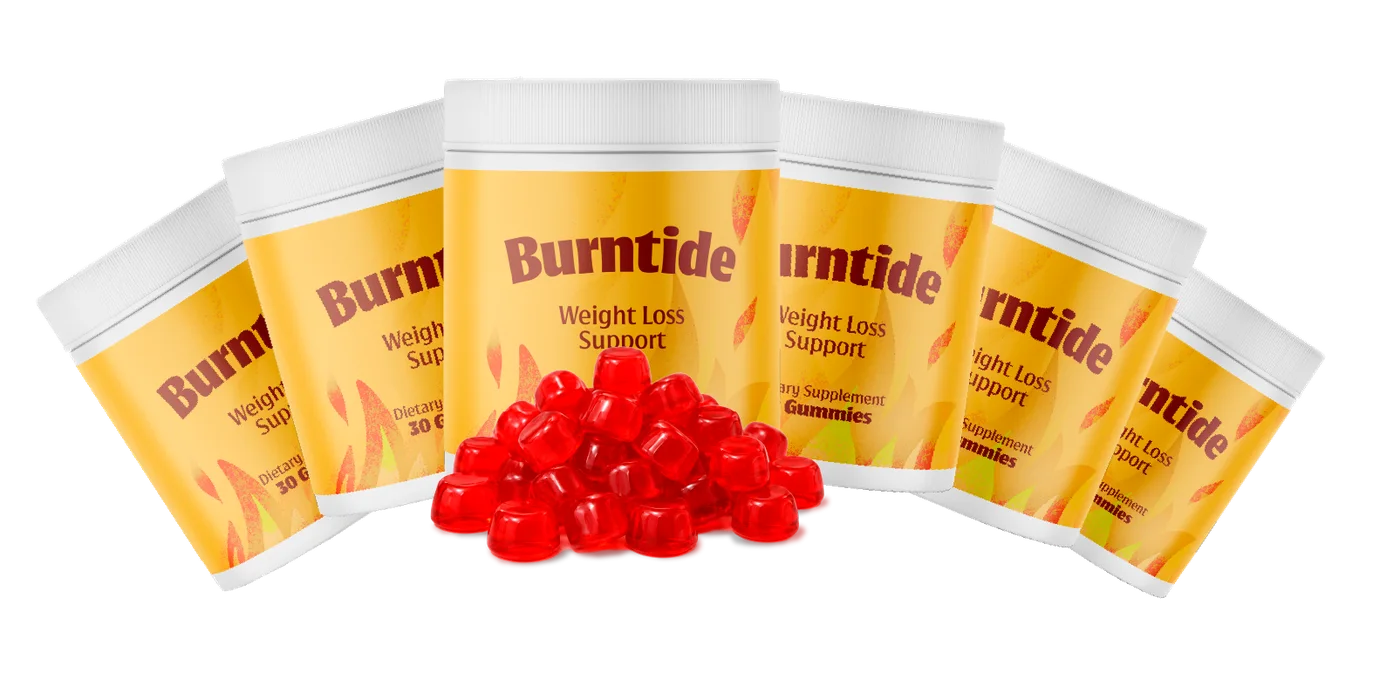
BurnTide combines apple cider vinegar with calcium, magnesium and sodium BHB salts in one daily gummy — the electrolyte-friendly form of exogenous ketones, with the full Supplement Facts panel published on the product page.
See BurnTide PackagesBHB salts vs ketone esters: the head-to-head
Here is how the two forms line up across the factors that actually matter when you are choosing a product.
Taste and tolerability
BHB salts are mild and easy to work into a flavoured powder or gummy. Ketone esters taste strongly bitter and can upset the stomach, which is a real barrier to daily use. For a pleasant once-a-day habit, salts win comfortably.
Cost
Salts are affordable and widely produced. Esters are expensive to make and expensive to buy, often several times the cost per serving. For an everyday routine, that gap is hard to justify.
Ketone height and speed
Esters raise blood ketones higher and faster because they carry no mineral ballast. Salts produce a gentler, smaller rise. If your goal is a specific research-grade ketone spike, esters lead; if your goal is steady everyday energy support, the salt rise is the point.
Electrolytes
Salts bring calcium, magnesium and sodium along for the ride, contributing to electrolyte balance. Esters provide ketone only, with no mineral bonus. Advantage: salts.
Best fit
Esters suit laboratories, clinical studies and elite athletes chasing a precise ketone target. Salts suit the rest of us — anyone who wants a practical, affordable, pleasant way to include an exogenous ketone in a daily routine.
The practical form of exogenous ketones
BurnTide uses calcium, magnesium and sodium BHB salts — the affordable, electrolyte-friendly form — alongside apple cider vinegar in one daily gummy. The best value is the six-jar bundle, protected by a 60-day money-back guarantee.
Order BurnTide Today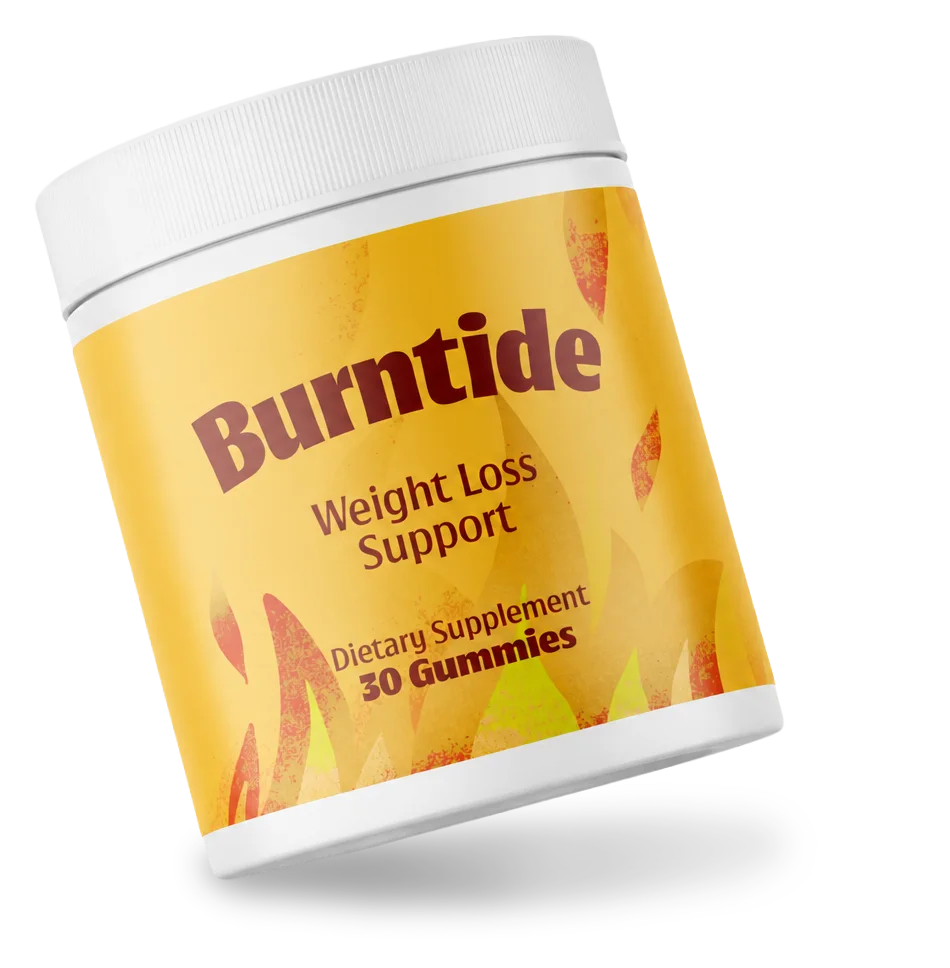
What the evidence does — and doesn’t — show
Whichever form you look at, honesty matters, because ketone marketing loves to over-promise. What the science broadly supports is modest and clear:
- Beta-hydroxybutyrate is a normal, usable fuel your body produces on its own.
- Both salts and esters can raise circulating ketone levels for a period of time, with esters raising them more.
- The electrolyte minerals in BHB salts have established roles in normal metabolism.
What neither form does is force your body to burn its own fat or “melt” weight while you sit still. Raising blood ketones is not the same as diet-driven nutritional ketosis, and no supplement diagnoses, treats, cures or prevents anything. Meaningful change still comes from a sustainable energy balance — sensible portions, enough protein and fibre, regular movement and decent sleep. An exogenous ketone, in either form, is a supporting actor.
How to read a BHB label, whichever form it is
A little label literacy helps you compare products fairly:
- Form. Does it say “BHB salts” (with named minerals) or a ketone ester? Gummies are nearly always salts.
- Minerals named. A quality salt names its carriers — calcium, magnesium and/or sodium beta-hydroxybutyrate.
- Amount. Some products break out BHB in milligrams; others fold it into a proprietary blend. Neither is automatically wrong, but you deserve to know.
- Manufacturing. Look for a product made in an FDA-registered, GMP-certified facility.
If a Supplement Facts panel still feels intimidating, our walkthrough of how to read an apple cider vinegar gummy label applies just as well to BHB gummies, and you can see a transparent example on the BurnTide homepage.
Frequently asked questions
What is the difference between BHB salts and ketone esters?
BHB salts are beta-hydroxybutyrate bound to minerals such as calcium, magnesium and sodium, which makes the ketone stable and easier to take. Ketone esters bind beta-hydroxybutyrate to an alcohol backbone instead. Both are exogenous ketones, but salts carry electrolytes and taste milder, while esters deliver more raw ketone per dose but taste strongly and cost far more.
Which is better, BHB salts or ketone esters?
Neither is universally better; they suit different goals. Ketone esters raise blood ketones higher and faster and are mostly used in research and by elite athletes. BHB salts are more affordable, more palatable and double as electrolytes, which is why they are the common choice for everyday supplements and gummies.
Why do gummies use BHB salts instead of ketone esters?
Ketone esters have a famously bitter, harsh taste and a high price, which makes them a poor fit for a pleasant daily gummy. BHB salts are milder, more stable, more affordable and bring electrolyte minerals along with the ketone, so they are far better suited to an everyday format.
Do BHB salts or ketone esters put you in ketosis?
Both raise the level of ketones circulating in your blood for a while, but neither replaces diet-driven nutritional ketosis. Exogenous ketones are a source of ready ketone fuel used alongside sensible eating, not a shortcut around it.
Are ketone esters worth the extra cost?
For most people using a supplement for everyday energy support, usually no. Esters are expensive and unpleasant to drink, and the extra ketone height they provide matters most in research and high-performance settings. For a daily routine, BHB salts offer a more practical balance of cost, taste and electrolytes.
Can I take BHB salts every day?
For most healthy adults a once-daily serving taken as directed is well tolerated. Because BHB salts carry sodium, magnesium and calcium, drinking enough water is good practice. If you are pregnant, nursing, under 18, taking medication or managing a health condition, talk with your healthcare professional before starting any supplement.
This guide was written and reviewed by the BurnTide Research Team, an independent group that reads the primary literature on metabolic-support ingredients and translates it into plain English. We work label-first: every ingredient claim on this site is checked against the published Supplement Facts panel, and we describe traditional or general use rather than making medical claims.
Our editorial rule is simple — if the research only supports a modest, general statement, that is exactly what we write. Nothing here is medical advice; for questions about your own health, speak with a qualified professional.
References
- National Library of Medicine, MedlinePlus — consumer information on ketones and beta-hydroxybutyrate.
- National Center for Biotechnology Information (NCBI), PubMed — research literature on exogenous ketone salts and ketone esters.
- National Institutes of Health, Office of Dietary Supplements — fact sheets on calcium, magnesium and sodium.
- BurnTide Supplement Facts panel — ingredient and serving details transcribed directly from the product label.
† These statements have not been evaluated by the Food and Drug Administration. This product is not intended to diagnose, treat, cure or prevent any disease. This article is for general information only and is not medical advice; speak with a qualified healthcare professional before starting any supplement.