MCT Oil vs BHB Salts for Ketones: What’s the Difference?
| MCT oil | A dietary fat your liver converts into ketones — a precursor, not a ketone itself. |
| BHB salts | A preformed ketone (beta-hydroxybutyrate) bound to minerals, raising blood ketones more directly. |
| Key difference | MCT is turned into ketones; BHB salts are the ketone in supplement form, plus electrolytes. |
| Why gummies use BHB | BHB salts are a dry, standardisable powder that fits a chewable; MCT is a liquid fat that doesn’t. |
If you have spent any time in the keto or low-carb world, you have run into two very different products that both promise “more ketones”: MCT oil and BHB salts. They sound interchangeable, but under the hood they work in fundamentally different ways — and understanding the difference tells you a lot about why chewable supplements like gummies almost always choose one over the other. This guide breaks down MCT oil vs BHB salts for ketones: what each one actually is, how it raises ketones, how they compare on speed, taste, dosing and cost, and what to check on a label before you buy.
The core distinction: precursor vs preformed ketone
Everything else follows from one idea, so it is worth getting straight first.
- MCT oil is a precursor. MCT stands for medium-chain triglycerides — a type of dietary fat (typically from coconut) that your liver can rapidly convert into ketones. You are not swallowing ketones; you are swallowing a fat the body turns into ketones.
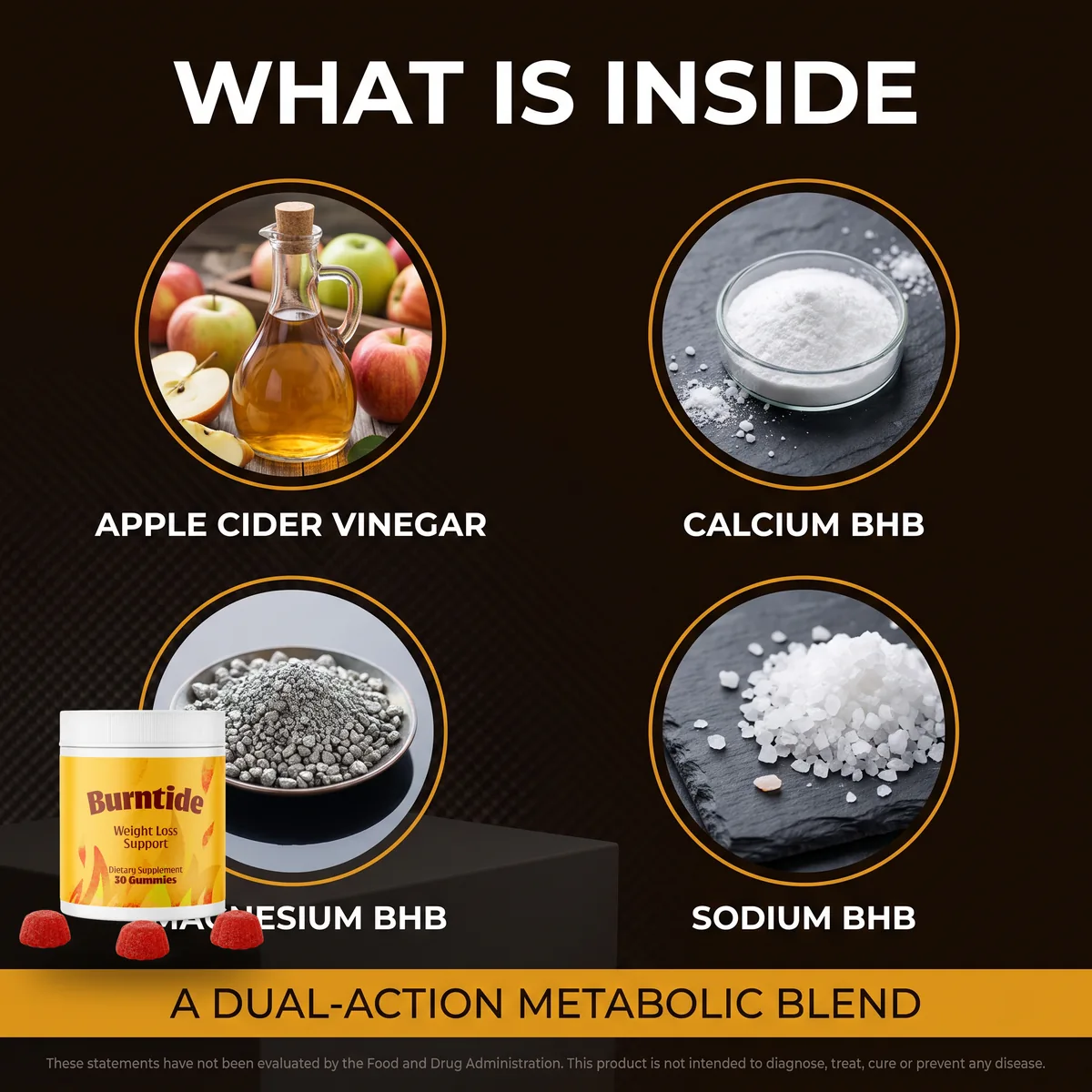
- BHB salts are a preformed ketone. Beta-hydroxybutyrate (BHB) is itself one of the ketone bodies your liver makes during ketosis. In a supplement it is bound to minerals such as sodium, calcium and magnesium to make it stable and absorbable, and it raises blood ketones more directly — no conversion step required.
So MCT oil is an ingredient the body processes into ketones, while BHB salts are the ketone itself, ready to be absorbed. Both are called “exogenous” ketone support because they come from outside the body, but only BHB is actually a ketone. If you want the deeper mechanics of how the body makes and uses ketones, our primer on how BHB ketone salts work is the place to start, and the mineral side is covered in calcium, magnesium and sodium BHB salts explained.
How each one raises ketones
MCT oil: the liver does the work
When you consume MCT oil, its medium-chain fats are absorbed quickly and travel to the liver, which converts a portion of them into ketones. Because MCTs are handled faster than long-chain fats, this happens relatively promptly — but it is still a two-step journey: digest and absorb the fat, then convert it. The upshot is a gentler, food-based rise in ketones that also delivers usable fat energy along the way.
BHB salts: the ketone arrives ready-made
BHB salts skip the conversion entirely. Because you are ingesting the ketone itself, blood BHB tends to rise more directly and measurably after a dose. That is why BHB salts are often chosen when the goal is a convenient, standardised bump in circulating ketones — plus the electrolyte minerals that come bound to them. The effect, as with MCT, is temporary and does not replicate the deep, sustained ketosis that comes from a genuine ketogenic diet.
Head to head: speed, taste, dosing and cost
- Speed to blood ketones: BHB salts tend to raise measurable ketones more directly, since MCT must be converted first.
- Energy vs ketone: MCT oil also supplies fat calories and can be used as a cooking or coffee ingredient; BHB salts are about the ketone and electrolytes, not fuel calories.
- Taste and format: MCT oil is a neutral-to-creamy liquid; BHB salts are a powder that can taste salty or mineral-like, which is why they are often flavoured or pressed into gummies.
- Tolerance: MCT oil in larger amounts is well known for causing digestive upset until you build up slowly; BHB salts add mineral load, so the sodium and electrolyte totals are worth noting.
- Cost and dosing: Meaningful doses of either add up, and both are easy to underdose in a product — which is exactly why the label amount matters more than the marketing.
Neither is universally “better.” They are different tools: MCT oil is a versatile dietary fat that happens to feed ketone production, while BHB salts deliver a preformed ketone plus minerals in a tidy dose. For a related comparison within the ketone-supplement world, see BHB salts vs ketone esters.
Preformed ketones in a once-daily gummy
BurnTide uses mineral-bound BHB salts alongside apple cider vinegar in an easy daily gummy — a convenient way to build the habit without measuring oils or powders.
See BurnTide PackagesWhy gummies almost always choose BHB salts
Here is the practical reason chewables lean one way. BHB salts are a dry, mineral-bound powder. That makes them easy to weigh, standardise and press into a gummy at a consistent dose — and it lets a single gummy deliver both a preformed ketone and a small dose of electrolyte minerals. MCT oil, by contrast, is a liquid fat. Getting a meaningful amount of oil into a small, shelf-stable, non-greasy gummy is impractical, which is why oils are usually sold as liquids or softgels rather than chewables. It is a formulation reality, not a value judgement — the format has to match the ingredient. This is the same label-first thinking we apply in how to read an apple cider vinegar gummy label.
The convenient end of the spectrum
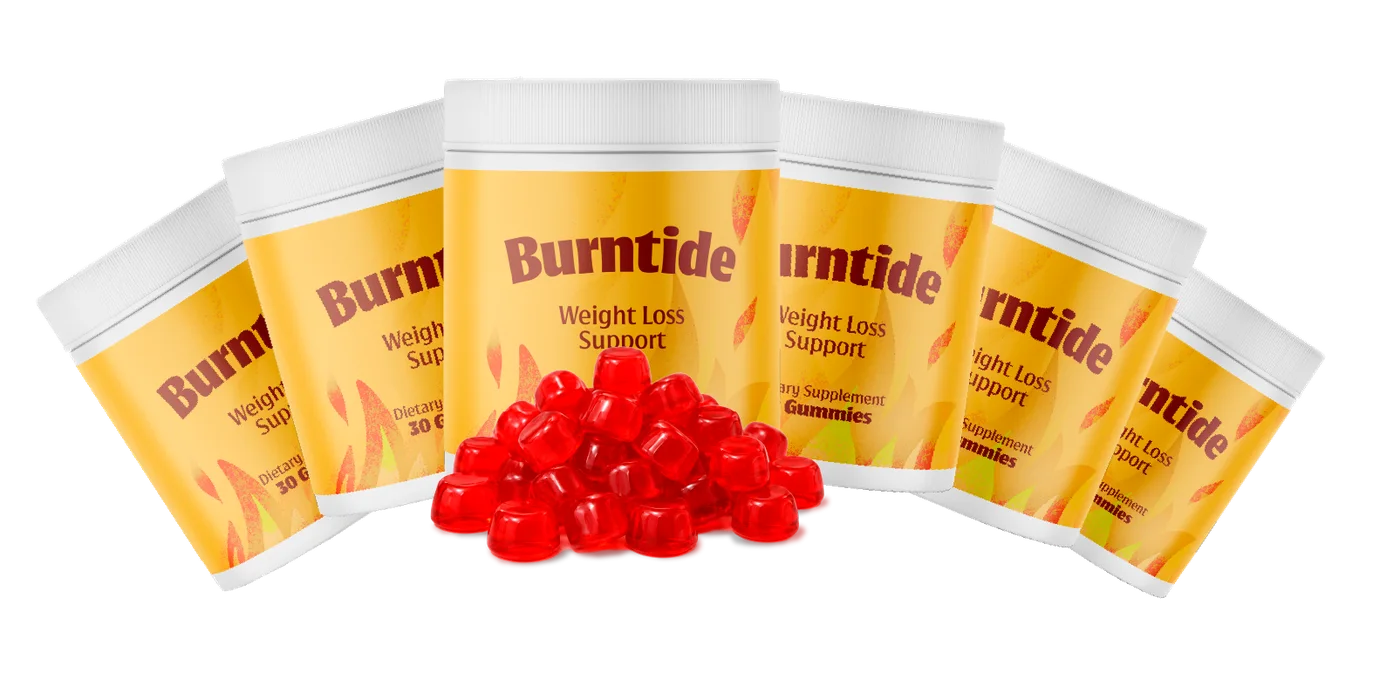
If you want preformed BHB without measuring powders or oils, a gummy is the easy route. BurnTide makes the daily habit simple, and the multi-jar bundle is the best value — backed by a 60-day money-back guarantee.
Order BurnTide TodayWhat to check on a label
- Which one is it? “BHB” or “beta-hydroxybutyrate” means a preformed ketone; “MCT,” “medium-chain triglycerides” or “C8/C10” means the fat precursor.
- How much per serving? Both are easy to underdose — look for the milligram or gram amount, not just a name on the front.
- What minerals come with the BHB? Note the sodium, calcium and magnesium totals if you are watching electrolytes.
- Is it inside a proprietary blend? If the amount is hidden, you cannot verify it — treat that as a caution flag.
The honest bottom line
MCT oil and BHB salts both support ketones, but they are not the same thing: MCT oil is a dietary fat your liver converts into ketones, while BHB salts are a preformed ketone bound to minerals, raising blood ketones more directly. Neither forces the deep ketosis of a true ketogenic diet, and both are best understood as convenient, temporary support rather than fat-burners. Which you choose comes down to your goal, tolerance and preferred format — and for a small daily chewable, BHB salts are simply the practical fit. To see how a transparent BHB formula is built into a once-daily gummy, start from the BurnTide homepage.
Frequently asked questions
What is the difference between MCT oil and BHB salts?
MCT oil is a fat your liver can convert into ketones — a precursor. BHB salts are a preformed ketone (beta-hydroxybutyrate) bound to minerals, so they raise blood ketones more directly. In short, MCT oil is an ingredient the body turns into ketones, while BHB salts are the ketone itself in supplement form.
Which one raises ketones faster?
BHB salts tend to raise measurable blood ketones more directly and quickly because they supply the ketone itself, whereas MCT oil must first be digested and converted by the liver. That said, both effects are temporary, and neither forces the deep nutritional ketosis achieved through diet.
Is MCT oil better than BHB salts?
Neither is simply better — they do different jobs. MCT oil is a versatile dietary fat that also provides energy and can be cooked with, while BHB salts deliver preformed ketones and electrolyte minerals in a convenient dose. The right choice depends on your goal, tolerance and format preference.
Why do gummies use BHB salts instead of MCT oil?
BHB salts are a dry, mineral-bound powder that is easy to standardise and press into a gummy, and they deliver a preformed ketone plus electrolytes. MCT oil is a liquid fat that is harder to include at a meaningful dose in a small gummy, which is why chewables typically favour BHB salts.
Can I take MCT oil and BHB salts together?
Many people do, since they support ketones through different routes. As with any supplement, start low to assess tolerance — MCT oil in particular can cause digestive upset in larger amounts — and follow label directions. If you have a health condition or take medication, speak with your healthcare professional first.
Do these replace a ketogenic diet?
No. Both offer a temporary rise in ketones or ketone production, but neither replicates the sustained metabolic state of a genuine ketogenic diet. They are convenient support tools, not substitutes for how you eat overall.
This guide was written and reviewed by the BurnTide Research Team, an independent group that reads the primary literature on metabolic-support ingredients and translates it into plain English. We work label-first: every ingredient claim on this site is checked against the published Supplement Facts panel, and we describe traditional or general use rather than making medical claims.
When the evidence supports only a modest, general statement, that is what we write — even when a bolder claim would sell better. Nothing here is medical advice; for questions about your own health, speak with a qualified professional.
References
- National Center for Biotechnology Information (NCBI), PubMed — research on exogenous ketones, BHB salts and medium-chain triglycerides.
- National Library of Medicine, MedlinePlus — consumer information on ketogenic diets and dietary fats.
- National Institutes of Health, Office of Dietary Supplements — background on electrolyte minerals bound to BHB salts.
- BurnTide Supplement Facts panel — ingredient, form and serving details transcribed directly from the product label.
† These statements have not been evaluated by the Food and Drug Administration. This product is not intended to diagnose, treat, cure or prevent any disease. This article is for general information only and is not medical advice; speak with a qualified healthcare professional before starting any supplement.