Chromium in Weight Loss Gummies: What It Does & How It Works
| What it is | Chromium is an essential trace mineral, usually supplied as chromium picolinate, involved in how the body handles carbohydrates. |
| What it does | It contributes to normal macronutrient metabolism and helps maintain normal blood glucose levels — a supporting role, not fat-burning. |
| The evidence | Effects on body weight and cravings in healthy people are modest and mixed; honest formulas treat it as a helper, not a hero. |
| What to check | The form (e.g. picolinate), the microgram amount and %DV on the Supplement Facts panel — and don’t double up on sources. |

Chromium is one of those ingredients that appears again and again on weight-management labels, yet almost nobody could tell you what it actually does. It is a trace mineral — you need only tiny amounts — and it has become a fixture of ACV and metabolic gummies because of its recognised link to blood sugar handling. But the gap between what the science supports and what the marketing implies can be wide. This guide explains chromium in weight loss gummies honestly: what chromium is, how it works with insulin, whether it really touches cravings, the common forms, sensible dosing, and exactly what to check on a label.
What chromium actually is
Chromium (specifically trivalent chromium, the form found in food and supplements) is an essential trace mineral. “Essential” means your body cannot make it and needs a small dietary supply; “trace” means the amount required is measured in micrograms, not milligrams. It occurs naturally in foods such as broccoli, whole grains, meat, nuts and some fruits, though the amount in any given food varies a lot with soil and processing.
Its recognised biological job centres on carbohydrate and fat metabolism. Chromium is thought to support the action of insulin — the hormone that ushers glucose out of the bloodstream and into cells — which is why the permitted, honest way to describe it is that chromium contributes to normal macronutrient metabolism and helps maintain normal blood glucose levels. Read that carefully: the language is about keeping normal processes normal, not about forcing weight off the body.
How chromium works with insulin and blood sugar
After you eat carbohydrates, blood glucose rises and the pancreas releases insulin so cells can take that glucose in for energy or storage. Chromium appears to help this signalling run smoothly — supporting insulin’s effectiveness so glucose is handled efficiently. When chromium is genuinely lacking, that handling can suffer; restoring it helps bring things back to normal.
The important nuance is that this is a supporting role in a system that is already meant to work. In people who are not deficient, adding more chromium does not supercharge the process. That is the honest mechanism, and it is why chromium sits comfortably alongside apple cider vinegar in a formula: both are associated with the theme of steadier post-meal blood sugar handling, even though they act through different routes. Our guide to acetic acid in apple cider vinegar explains the ACV side of that same theme.

Does chromium curb cravings or drive weight loss?
This is where you should keep your expectations calibrated. Chromium picolinate has been studied for appetite, carbohydrate cravings and body weight for decades, and the results are genuinely mixed:
- Cravings and appetite: A handful of small studies have reported reductions in appetite or carbohydrate cravings in specific groups, but others found no meaningful effect. The signal is inconsistent.
- Body weight: Reviews that pool the trials tend to find, at most, a very small average difference in body weight — the kind of effect that is statistically detectable but not life-changing on its own.
- Blood sugar handling: The most consistent findings relate to glucose metabolism, particularly in people whose handling was already impaired — which fits chromium’s recognised nutrient role.
The fair conclusion: chromium is a legitimate nutrient with a real metabolic job, but it is not a weight-loss drug in disguise. Any product implying that a trace mineral will melt fat is overstating the evidence. A well-built formula uses chromium as one supporting piece within a sensible routine — exactly the framing we apply to every ingredient we cover, such as beet root powder in ACV gummies.
Supporting nutrients, honestly formulated
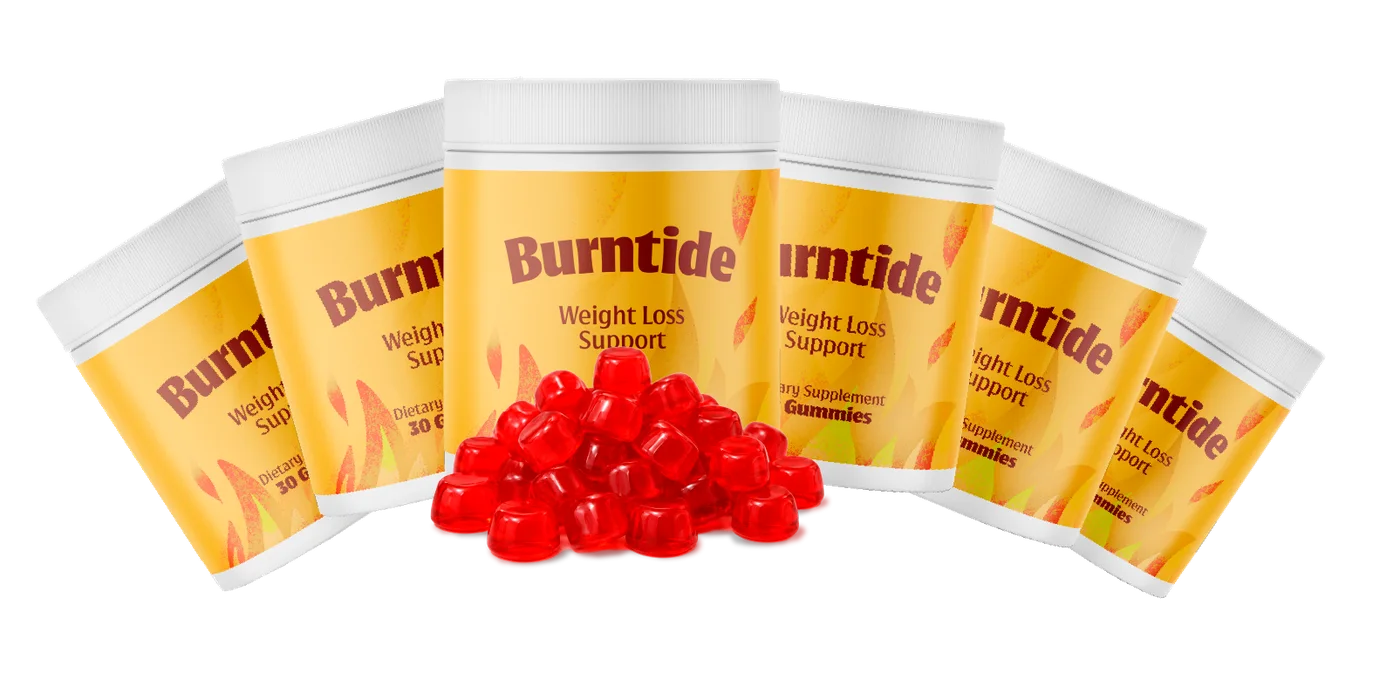
BurnTide pairs apple cider vinegar and BHB with supporting nutrients in a once-daily gummy — a routine you can actually keep, without the hype.
See BurnTide PackagesChromium picolinate vs other forms
On a label, chromium is almost always paired with a carrier that helps your body absorb it, because chromium on its own is poorly absorbed. The forms you will meet include:
- Chromium picolinate — by far the most common and most studied. The picolinic-acid carrier improves absorption, which is why researchers and manufacturers favour it.
- Chromium polynicotinate — chromium bound to niacin; another absorbable form used in some products.
- Chromium chloride — an older, less well-absorbed form, less common in modern supplements.
For most people, chromium picolinate is a reasonable, well-researched default. As always, the detail that matters most is transparency: the label should name the form and the exact amount rather than burying it in a proprietary blend. Our step-by-step guide, how to read an apple cider vinegar gummy label, shows how to spot that difference at a glance.
How much chromium, and how to dose it sensibly
Because chromium is a trace mineral, the amounts involved are tiny — supplement doses commonly sit around 100 to 200 micrograms, though products vary widely. A few practical pointers:
- Read the microgram figure and %DV. Micrograms (mcg), not milligrams — a decimal-point difference matters here.
- Do not stack sources. If your multivitamin, a separate chromium tablet and a gummy all contain it, you can quietly add up to far more than intended.
- Stick to label directions. More is not better with an active trace mineral; the goal is sufficiency, not saturation.
- Mind interactions. If you take medication that affects blood sugar, chromium is a conversation to have with your clinician first.
A routine built to be repeatable
Consistency beats intensity with supporting nutrients. BurnTide keeps apple cider vinegar, BHB and companion nutrients in one daily gummy — and the multi-jar bundle is the best value, backed by a 60-day money-back guarantee.
Order BurnTide TodayThe honest bottom line
Chromium in weight loss gummies is a genuine essential trace mineral with a recognised role in normal macronutrient metabolism and blood glucose handling. As chromium picolinate, it is well absorbed and well studied. What the evidence does not support is the idea that chromium alone melts fat or reliably switches off cravings — those effects are modest and inconsistent. Treat it as a sensible supporting nutrient inside a broader routine, check the form and amount on the panel, and avoid doubling up across products. To see how a transparent formula presents its supporting nutrients, start from the BurnTide homepage, and for the companion nutrient story read vitamin B12 in ACV gummies.
Frequently asked questions
What does chromium do in a weight loss gummy?
Chromium is an essential trace mineral that contributes to normal macronutrient metabolism and helps maintain normal blood glucose levels. In a weight loss gummy it is included as a supporting nutrient tied to how the body handles carbohydrates, not as a fat-burner. Its effect on body weight in healthy people is modest at best in the research.
Is chromium picolinate the best form?
Chromium picolinate is the most studied and most common supplement form because the picolinate carrier improves absorption of an otherwise poorly absorbed mineral. Other forms like chromium polynicotinate and chromium chloride exist. For most people picolinate is a reasonable, well-researched choice; the important thing is that the form and amount are named on the label.
Does chromium reduce sugar cravings?
Some small studies suggest chromium may help with appetite and carbohydrate cravings in certain groups, but the overall evidence is mixed and effects are modest. It is fair to describe chromium as a nutrient involved in normal blood sugar handling rather than to promise it will eliminate cravings.
How much chromium is in a supplement?
Supplement doses commonly range from around 100 to 200 micrograms, though products vary. Chromium is needed only in tiny trace amounts. Always read the Supplement Facts panel for the exact microgram figure and percent daily value, and avoid stacking multiple chromium products.
Is chromium safe to take daily?
For most healthy adults, chromium at typical supplement doses is well tolerated. Because it is an active trace mineral, it is sensible not to exceed label directions or combine several sources. If you take medication for blood sugar or have a health condition, speak with your healthcare professional before using it.
Can I just get chromium from food?
Many people get chromium from foods like broccoli, whole grains, meat and nuts, though amounts vary with soil and processing. A small dose in a gummy is a convenient top-up rather than a replacement for a varied diet.
This guide was written and reviewed by the BurnTide Research Team, an independent group that reads the primary literature on metabolic-support ingredients and translates it into plain English. We work label-first: every ingredient claim on this site is checked against the published Supplement Facts panel, and we describe traditional or general use rather than making medical claims.
When the evidence supports only a modest, general statement, that is what we write — even when a bolder claim would sell better. Nothing here is medical advice; for questions about your own health, speak with a qualified professional.
References
- National Institutes of Health, Office of Dietary Supplements — Chromium Fact Sheet for Health Professionals.
- National Center for Biotechnology Information (NCBI), PubMed — trials and reviews on chromium picolinate, glucose metabolism and body weight.
- National Library of Medicine, MedlinePlus — consumer information on chromium.
- BurnTide Supplement Facts panel — ingredient, form and serving details transcribed directly from the product label.
† These statements have not been evaluated by the Food and Drug Administration. This product is not intended to diagnose, treat, cure or prevent any disease. This article is for general information only and is not medical advice; speak with a qualified healthcare professional before starting any supplement.