Green Tea Extract for Metabolism: How EGCG & Caffeine Work
| What it is | Green tea extract is a concentrated source of catechins — chiefly EGCG — often with some natural caffeine. |
| How it works | EGCG and caffeine are linked to a small, temporary rise in thermogenesis and fat oxidation — the body using a little more energy. |
| The evidence | Real-world weight effects are modest and inconsistent; it’s a supporting ingredient, not a fat-burner on its own. |
| What to check | The standardised catechin/EGCG content, the caffeine amount, and whether the dose is disclosed on the panel. |
Green tea has been sipped for thousands of years, but in a supplement it shows up in a far more concentrated form: green tea extract. It is one of the most popular ingredients in the metabolism and weight-management space, and for once the interest is grounded in real plant chemistry rather than pure marketing. Still, the distance between “linked to a small rise in energy use” and “melts fat” is enormous. This guide explains green tea extract for metabolism honestly — what EGCG and caffeine actually do, how thermogenesis works, what the evidence really shows, and what to check on a label so you are not paying for an underdosed sprinkle.
What green tea extract actually is
Green tea extract is made by concentrating the beneficial compounds from the leaves of Camellia sinensis. The headline compounds are catechins, a family of plant antioxidants, and the most abundant and most studied of these is EGCG (epigallocatechin gallate). Depending on how it is processed, the extract may also retain some of the leaf’s natural caffeine, or be decaffeinated to remove most of it.
A good extract is standardised — meaning the manufacturer specifies how much catechin or EGCG it contains as a percentage. That number matters far more than the raw milligram weight of “green tea extract,” because a large dose of a weak extract can deliver less active catechin than a small dose of a concentrated one. Standardisation is the difference between a real ingredient and a label-decoration, a theme we return to constantly in guides like how to read an apple cider vinegar gummy label.
How EGCG and caffeine work together
The metabolic interest in green tea comes down to a partnership between EGCG and caffeine, working through complementary routes.
Caffeine: the familiar nudge
Caffeine is a well-established stimulant that can produce a small, temporary increase in energy expenditure and alertness. It is the same mechanism behind your morning coffee — a modest bump in how much energy the body uses over the following hours.
EGCG: the catechin angle
EGCG is thought to influence an enzyme that breaks down noradrenaline, a signalling molecule involved in thermogenesis — the body’s production of heat and its associated energy use. By letting that signal linger a little longer, EGCG may support the fat-oxidation and heat-production process that caffeine sets off. In other words, the two are believed to be more useful together than either is alone, which is why green tea extract is prized over isolated caffeine in metabolic formulas.
Crucially, this is a small and temporary effect on a system your body already runs. It is a nudge, not a lever. That honest framing is exactly how we describe the other actives on this site, whether BHB ketone salts or apple cider vinegar.

What the evidence really shows
Here is where a responsible guide has to slow down. Green tea catechins have been studied extensively for body weight and fat, and the picture is genuinely nuanced:
- Energy expenditure: Controlled studies do show that green tea catechins plus caffeine can produce a small increase in daily energy expenditure and fat oxidation.
- Body weight: When you follow that through to actual weight change over weeks and months, pooled analyses tend to find only a small average effect — and results vary with dose, caffeine content, and even genetics and habitual caffeine intake.
- Context dependence: The effect appears most useful alongside an active lifestyle and a sensible diet, not as a substitute for them.
The fair takeaway: green tea extract is a legitimate, evidence-backed supporting ingredient with a real (if modest) mechanism — a much stronger position than many supplement botanicals can claim. But “modest and context-dependent” is not the same as “fat-burner.” Any product leaning on green tea as a magic bullet is overselling a genuinely useful but gentle ingredient.
Metabolic support without the hype
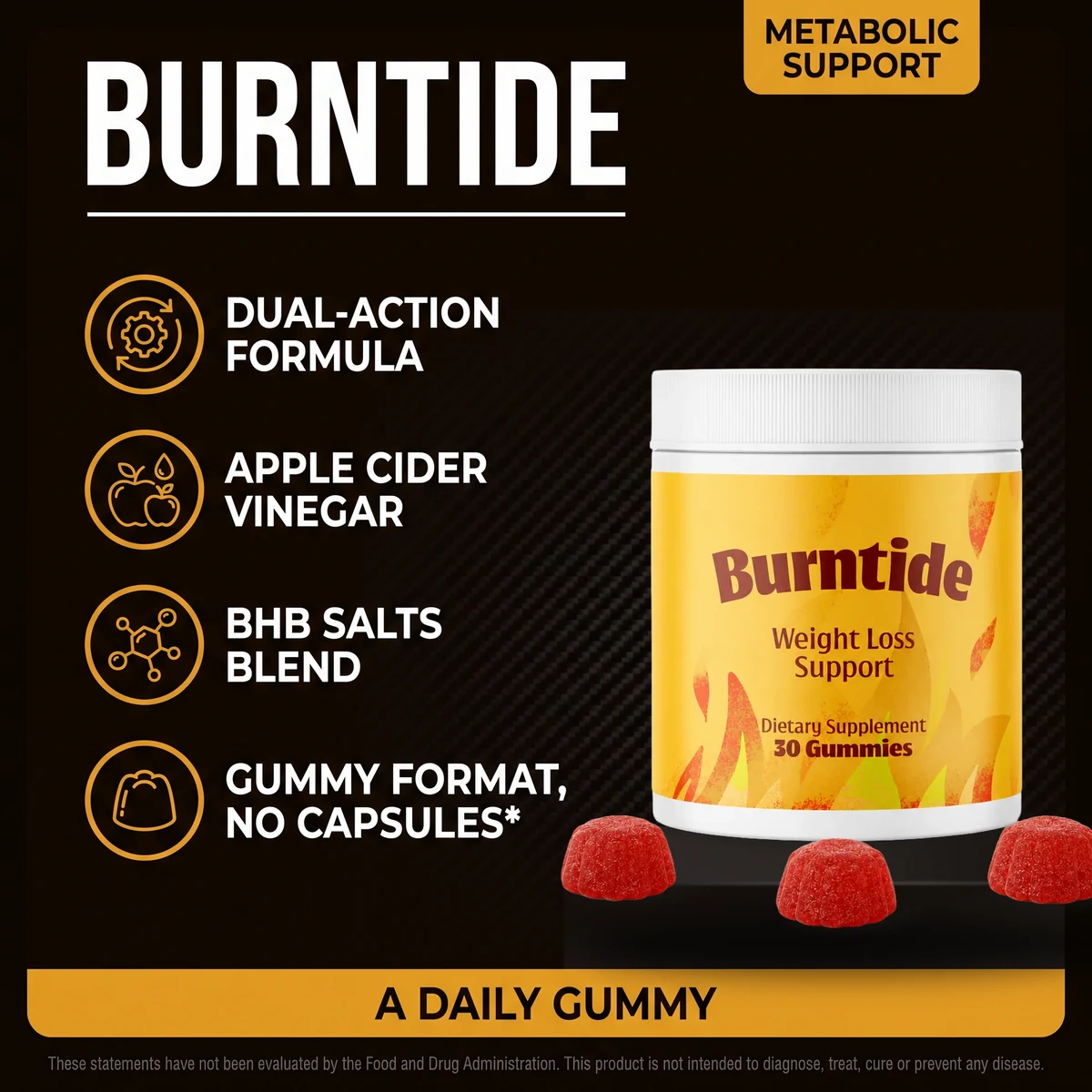
BurnTide focuses on a once-daily apple cider vinegar + BHB routine for everyday energy — supporting ingredients, honestly described, in a form you’ll actually keep up.
See BurnTide PackagesDosing context and the caffeine question
Because green tea extract can carry caffeine, dosing is about two numbers, not one:
- Catechin/EGCG content: Look for a standardised percentage or an EGCG amount, so you know how concentrated the extract really is.
- Caffeine content: If you are sensitive to caffeine, take it late in the day, or already drink coffee, tally the caffeine from all sources. Some extracts are decaffeinated and contain almost none; others retain a meaningful amount.
A note on safety worth taking seriously: while green tea as a drink and standard extract doses are well tolerated by most healthy adults, very high doses of concentrated extract — particularly on an empty stomach — have been linked in rare cases to liver concerns. Taking it with food and staying within label directions is the sensible approach. This is why we always favour a disclosed, reasonable dose over a mystery mega-dose buried in a proprietary blend.
Consistency is the real ingredient
Any supporting ingredient works best inside a routine you actually keep. BurnTide makes the daily habit easy, and the multi-jar bundle is the best value — backed by a 60-day money-back guarantee.
Order BurnTide TodayHow to check a green tea extract on a label
- Is it standardised? Look for “standardised to X% catechins/EGCG” rather than a bare “green tea extract” weight.
- Is the caffeine disclosed? A responsible label tells you whether it is caffeinated and roughly how much.
- Is the dose realistic? A trace amount is unlikely to do much; a disclosed, reasonable dose is what the research uses.
- Is it hidden in a blend? If it is inside an undisclosed proprietary blend, you cannot verify the amount — treat that as a caution flag.
The honest bottom line
Green tea extract for metabolism is one of the better-supported supporting ingredients in the category: EGCG and caffeine really are linked to a small, temporary rise in thermogenesis and fat oxidation. But the real-world weight effect is modest and depends heavily on the rest of your routine, so treat it as a helper, not a hero. Read the standardised catechin content, mind the caffeine, keep to sensible doses, and never expect a botanical to do the work of a good diet and regular movement. To see how a transparent everyday formula is put together, start from the BurnTide homepage, or read our honest take on whether apple cider vinegar boosts metabolism.
Frequently asked questions
How does green tea extract support metabolism?
Green tea extract supplies catechins — chiefly EGCG — and often some natural caffeine. Together they are associated with a small, temporary rise in thermogenesis, the body’s heat production and energy use. The effect is modest and works best as part of an active routine, not as a stand-alone fat-burner.
What is EGCG?
EGCG (epigallocatechin gallate) is the most abundant and most studied catechin in green tea. It is a plant antioxidant compound thought to be responsible for much of green tea’s metabolic and antioxidant interest. Standardised extracts list their catechin or EGCG content so you can see how concentrated they are.
Does green tea extract actually burn fat?
The honest answer is that green tea extract is linked to a small increase in energy expenditure and fat oxidation in some studies, but the effect on real-world body weight is modest and inconsistent. It is best viewed as a supporting ingredient within a sensible diet and activity routine rather than a fat-burning solution on its own.
How much caffeine is in green tea extract?
It depends on the extract. Some are decaffeinated and contain almost none; others retain natural caffeine. If you are sensitive to caffeine or take it from other sources, check the label for the caffeine content and factor it into your daily total.
Is green tea extract safe to take daily?
For most healthy adults, green tea extract at typical supplement doses is well tolerated, especially when taken with food. Very high doses of concentrated extract have been linked to liver concerns in rare cases, so stay within label directions. If you are pregnant, nursing, sensitive to caffeine, or on medication, speak with your healthcare professional first.
Is drinking green tea as good as an extract?
Brewed green tea provides catechins and caffeine in a gentler, more dilute form and is a pleasant daily habit in its own right. An extract concentrates those compounds. Neither is a weight-loss shortcut; both fit best inside a balanced routine.
This guide was written and reviewed by the BurnTide Research Team, an independent group that reads the primary literature on metabolic-support ingredients and translates it into plain English. We work label-first: every ingredient claim on this site is checked against the published Supplement Facts panel, and we describe traditional or general use rather than making medical claims.
When the evidence supports only a modest, general statement, that is what we write — even when a bolder claim would sell better. Nothing here is medical advice; for questions about your own health, speak with a qualified professional.
References
- National Center for Biotechnology Information (NCBI), PubMed — research on green tea catechins, EGCG, caffeine and energy expenditure.
- National Institutes of Health, Office of Dietary Supplements — background on green tea and its constituents.
- National Library of Medicine, MedlinePlus — consumer information on green tea and green tea extract.
- BurnTide Supplement Facts panel — ingredient and serving details transcribed directly from the product label.
† These statements have not been evaluated by the Food and Drug Administration. This product is not intended to diagnose, treat, cure or prevent any disease. This article is for general information only and is not medical advice; speak with a qualified healthcare professional before starting any supplement.