Does Apple Cider Vinegar Boost Metabolism? The Honest Science
| Short answer | Not in the “furnace” sense — apple cider vinegar does not meaningfully raise your resting calorie burn. |
| What it does do | Acetic acid is linked to a gentler post-meal blood sugar rise and greater fullness, which can help you eat a little less. |
| The real mechanism | Meal-related support (slower stomach emptying, steadier glucose), not a change to baseline metabolism. |
| How to use it | As a pre-meal daily habit — a gummy avoids the sour shot and the enamel worries of neat vinegar. |

“Boosts your metabolism” is one of the most overused phrases in the weight-loss world, and apple cider vinegar gets tagged with it constantly. So let us answer the real question plainly: does apple cider vinegar boost metabolism? The honest, science-based answer is that it does not rev up your calorie-burning engine the way the phrase implies — but it does have genuine, if modest, meal-related effects that are worth understanding. This guide separates the mechanism from the marketing: what “metabolism” actually means, what acetic acid really does around meals, what the research supports, and how to use apple cider vinegar sensibly.
First, what “boost metabolism” really means
“Metabolism” is the sum of every chemical process that keeps you alive, but when people say “boost my metabolism” they usually mean one thing: increase the number of calories the body burns at rest — the basal metabolic rate. That figure is driven mostly by your body size, muscle mass, age and genetics. Foods and supplements can nudge energy expenditure a little (as caffeine or green tea catechins do), but nothing in a bottle rewrites your resting burn in a dramatic, lasting way.
This matters because apple cider vinegar’s real benefits do not live in the basal-metabolic-rate column at all. They live around your meals — in how your body handles the food you have just eaten. Calling that a “metabolism boost” is loose language; calling it metabolic support around meals is accurate. The active behind it is acetic acid, which we cover in depth in what is acetic acid in apple cider vinegar.
What acetic acid actually does around meals
Acetic acid is the compound that gives all vinegar its sour bite, and it is the ingredient the research keeps returning to. Two effects are the most consistently reported.
1. A gentler post-meal blood sugar rise
When acetic acid is taken with or just before a carbohydrate-containing meal, several studies have found a smaller, slower rise in blood glucose afterwards, compared with the same meal without it. The leading explanation is that vinegar can slow how quickly the stomach empties and may influence how carbohydrate is digested and taken up — smoothing the curve rather than eliminating it.
2. A bit more fullness
That same slower stomach emptying is linked to increased satiety — feeling full for a little longer after eating. In practice, feeling satisfied sooner can nudge some people to eat slightly less at and after a meal. Over time, eating a little less is a plausible, indirect route to easier weight management — not because vinegar burned anything, but because it helped with appetite.
Notice what is happening here: both effects are about managing a meal, not about raising your baseline energy use. That is the crucial distinction the word “boost” papers over. For the timing side of this, see why take ACV gummies before meals.

So what does the evidence actually support?
Being fair to the research means being precise about its limits:
- Post-meal glucose: Reasonably consistent support for a gentler rise when vinegar accompanies a carbohydrate meal — though effect sizes vary and studies are often small.
- Satiety: Some support for increased short-term fullness, again modest and variable between people.
- Body weight: A few longer studies have reported small reductions in weight when vinegar was added to a controlled diet — emphasis on small, and always alongside broader dietary changes.
- Resting metabolic rate: No good evidence that vinegar meaningfully raises your baseline calorie burn.
Put together, the honest verdict is that apple cider vinegar is a legitimate, gentle support to a sensible eating routine — not a metabolism switch and certainly not a fat-burner. That framing is exactly why we pair it with other supporting ingredients rather than overselling it; you can see the logic in apple cider vinegar and BHB for weight loss.
A pre-meal habit, minus the sour shot
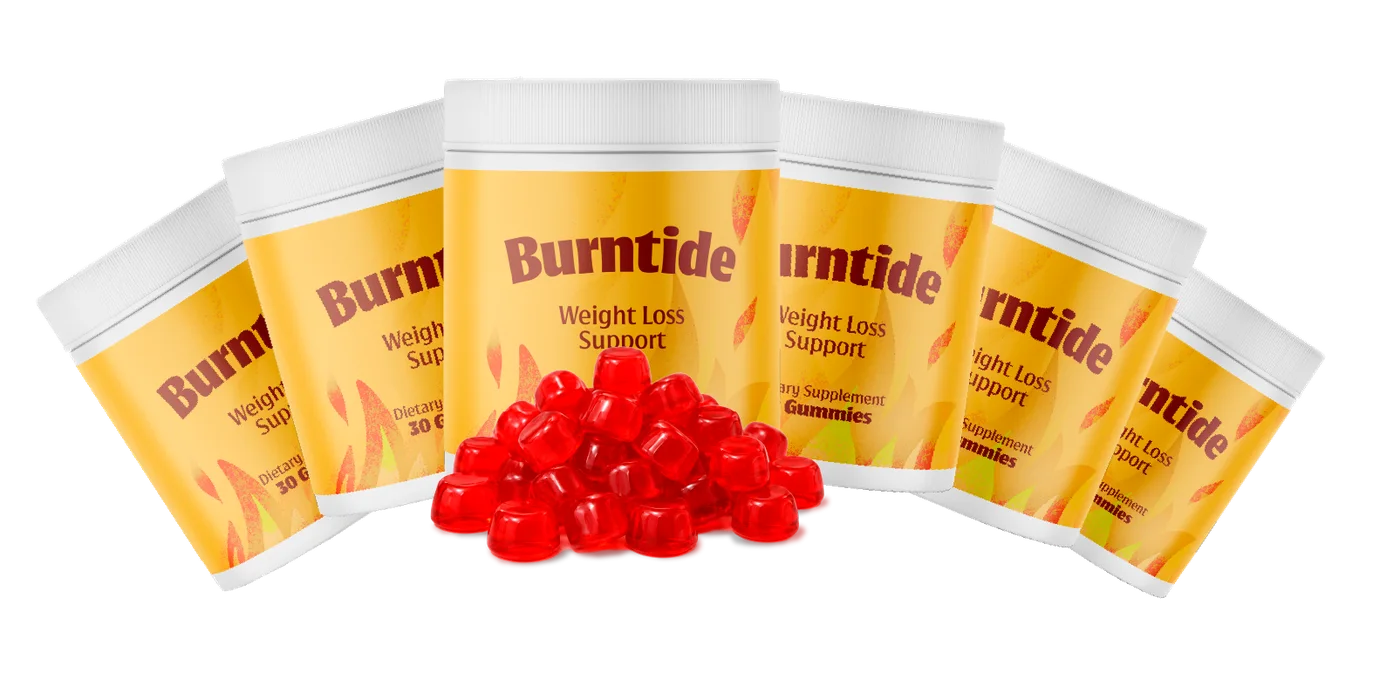
BurnTide delivers apple cider vinegar plus BHB in a once-daily gummy — the meal-time habit people trust, in a form that is kind to your enamel and easy to keep up.
See BurnTide PackagesHow to actually use apple cider vinegar
If the useful effects are meal-related, it follows that timing and consistency matter more than heroic doses:
- Take it around meals. The studied effects cluster around carbohydrate-containing meals, so shortly before eating is the sensible window.
- Be consistent. A small effect repeated daily beats an occasional big dose. This is a habit, not an event.
- Protect your teeth. Undiluted vinegar is acidic enough to erode enamel and irritate the throat. Diluting liquid vinegar — or using a gummy — sidesteps that.
- Mind the amount. The format is less important than how much acetic acid you actually get, so read the panel. Our guide on how much apple cider vinegar is in a gummy shows how to find the real number.
Built for the daily habit
Because the benefit is in the routine, the format you will actually keep up matters most. BurnTide makes the daily gummy easy, and the multi-jar bundle is the best value — backed by a 60-day money-back guarantee.
Order BurnTide TodayThe honest bottom line
Does apple cider vinegar boost metabolism? Not in the way the phrase suggests — it does not raise your resting calorie burn. What it genuinely offers is gentle, meal-related support: acetic acid is linked to a steadier post-meal blood sugar rise and a bit more fullness, which can help some people eat a little less over time. That is a modest, indirect benefit best captured by a consistent daily habit alongside a balanced diet and regular movement — not a shortcut, and never a treatment for any condition. To see how a transparent apple cider vinegar formula is built around that honest premise, start from the BurnTide homepage.
Frequently asked questions
Does apple cider vinegar boost metabolism?
Apple cider vinegar does not meaningfully raise your resting metabolic rate. Its useful actions are more indirect: acetic acid is linked to a gentler post-meal blood sugar rise and to greater fullness, which can help people eat a little less. That is a metabolic-support effect around meals, not a furnace-stoking metabolism boost.
What does acetic acid actually do?
Acetic acid is the main active compound in vinegar. Research links it to a slower rise in blood glucose after a carbohydrate meal and to increased satiety, likely partly through slower stomach emptying. These are modest, meal-related effects rather than a change to your baseline calorie burn.
Will apple cider vinegar make me lose weight on its own?
No. Any weight-related benefit associated with vinegar is small and works through eating slightly less or handling meals more smoothly, not through vinegar burning fat. It is best seen as a supportive daily habit alongside a balanced diet and activity, not a stand-alone solution.
When is the best time to take apple cider vinegar for these effects?
The meal-related effects are studied around eating, so many people take apple cider vinegar shortly before a carbohydrate-containing meal. A gummy makes this convenient and avoids sipping undiluted acid, which can be hard on tooth enamel and the throat.
Is a gummy as effective as liquid vinegar?
What matters is the amount of apple cider vinegar or acetic acid you actually get, which is why reading the Supplement Facts panel is essential. A gummy trades the sour shot for convenience and enamel-friendliness; the honest question is always how much active it delivers, not the format alone.
Can apple cider vinegar replace a healthy diet?
No. Apple cider vinegar is a small supporting habit, not a substitute for balanced eating, regular movement or adequate sleep. Its modest benefits show up best when they sit on top of those fundamentals.
This guide was written and reviewed by the BurnTide Research Team, an independent group that reads the primary literature on metabolic-support ingredients and translates it into plain English. We work label-first: every ingredient claim on this site is checked against the published Supplement Facts panel, and we describe traditional or general use rather than making medical claims.
When the evidence supports only a modest, general statement, that is what we write — even when a bolder claim would sell better. Nothing here is medical advice; for questions about your own health, speak with a qualified professional.
References
- National Center for Biotechnology Information (NCBI), PubMed — research on acetic acid, post-meal glycaemia and satiety.
- National Library of Medicine, MedlinePlus — consumer information on apple cider vinegar and its traditional uses.
- U.S. Food & Drug Administration — general background on vinegar composition and food fermentation.
- BurnTide Supplement Facts panel — ingredient and serving details transcribed directly from the product label.
† These statements have not been evaluated by the Food and Drug Administration. This product is not intended to diagnose, treat, cure or prevent any disease. This article is for general information only and is not medical advice; speak with a qualified healthcare professional before starting any supplement.