What Is Acetic Acid in Apple Cider Vinegar? How the Active Works
| What it is | Acetic acid is the main active compound in apple cider vinegar — the sour organic acid made when bacteria ferment apple-cider alcohol. |
| Where it comes from | A two-step ferment: yeast turns apple sugars into alcohol, then acetic-acid bacteria turn that alcohol into acetic acid. |
| Acid vs the mother | Acetic acid is the dissolved acid throughout the liquid; the “mother” is the cloudy culture left behind. Different things, same process. |
| Honest expectation | A traditional pre-meal ingredient for everyday digestion and appetite support — not a treatment or a cure. |

Almost everything people say about apple cider vinegar comes back to one molecule: acetic acid. When a label boasts about ACV, when a study measures its effects, or when a gummy claims to bottle the benefits of vinegar, the compound doing the work is acetic acid. So it is worth understanding what acetic acid in apple cider vinegar actually is, how fermentation produces it, why it is so often confused with the “mother,” and how much of it really ends up in a modern ACV gummy. This guide walks through all of that in plain English, label-first and hype-free.
What is acetic acid, exactly?
Acetic acid is a simple organic acid — chemically written as CH₃COOH. It is the compound that makes all vinegar taste sour and smell sharp, whether that vinegar is made from apples, grapes, rice or malted barley. In a standard bottle of apple cider vinegar, acetic acid usually makes up around 5 to 6 percent of the liquid by volume; the rest is mostly water, along with trace amounts of other acids, minerals and plant compounds carried over from the apples.
That low concentration is important context. Vinegar is not a strong industrial acid; it is a dilute, food-grade one that humans have used for thousands of years to pickle, preserve and flavour food. The sourness you taste, the tang that cuts through a salad dressing, and the low pH that helps preserve food are all down to acetic acid. When researchers talk about the “active” in ACV, this is the compound they mean.
How acetic acid forms: the two-step ferment
Apple cider vinegar does not start as vinegar. It starts as apple juice, and it becomes vinegar through two separate fermentations happening one after the other.
Step one: sugars to alcohol
First, natural yeasts feed on the sugars in fresh apple juice and convert them into alcohol. This is the same process that makes hard cider or wine. At the end of this stage you have an alcoholic apple cider — sweet-turned-boozy, but not yet sour.
Step two: alcohol to acetic acid
Next, a group of microbes known as acetic acid bacteria (often Acetobacter) take over. In the presence of oxygen, they metabolise the alcohol and convert it into acetic acid. This second fermentation is what turns cider into vinegar. It is also the stage that produces the cloudy strands many raw vinegars carry — the mother. Once you understand that acetic acid is simply the end product of fermenting apple sugars twice, the whole ingredient stops feeling mysterious.
Acetic acid vs the mother: the difference people miss
This is the single most common mix-up in ACV, so it is worth being precise. Acetic acid is a molecule dissolved evenly throughout the liquid — you cannot see it, but you can taste it. The mother is something else entirely: the visible, cloudy, cobweb-like sediment of cellulose and beneficial bacteria left over from that second fermentation. One is the acid itself; the other is the living culture that helped make it.
Both come from the same process, and a raw, unfiltered vinegar usually contains both. But they are not interchangeable. You can have acetic acid without any visible mother (that is exactly what filtered, clear vinegar is), and the mother is prized more for its bacteria and enzymes than for the acid. If you want the full picture of that cloudy culture, we cover it in depth in our companion guide to what the mother in apple cider vinegar is and why it matters. For this article, the takeaway is simple: acetic acid is the active acid, the mother is the culture.
What acetic acid is traditionally used to support
Apple cider vinegar has a long folk history of being taken before meals, and acetic acid is the compound behind that reputation. Traditionally, a small amount of vinegar before eating has been used to support digestion, appetite and everyday metabolic balance. That is the honest, general framing: a time-tested pre-meal habit, not a medicine.
It is worth being clear-eyed about what that does and does not mean. Acetic acid is a food ingredient with a traditional role; it is not a treatment for any disease, and no supplement diagnoses, treats, cures or prevents a health condition. The sensible way to think about ACV is as one small, repeatable habit that fits inside a bigger routine of balanced meals, movement and sleep — the things that actually move the needle over time.
Apple cider vinegar, without the sour shot
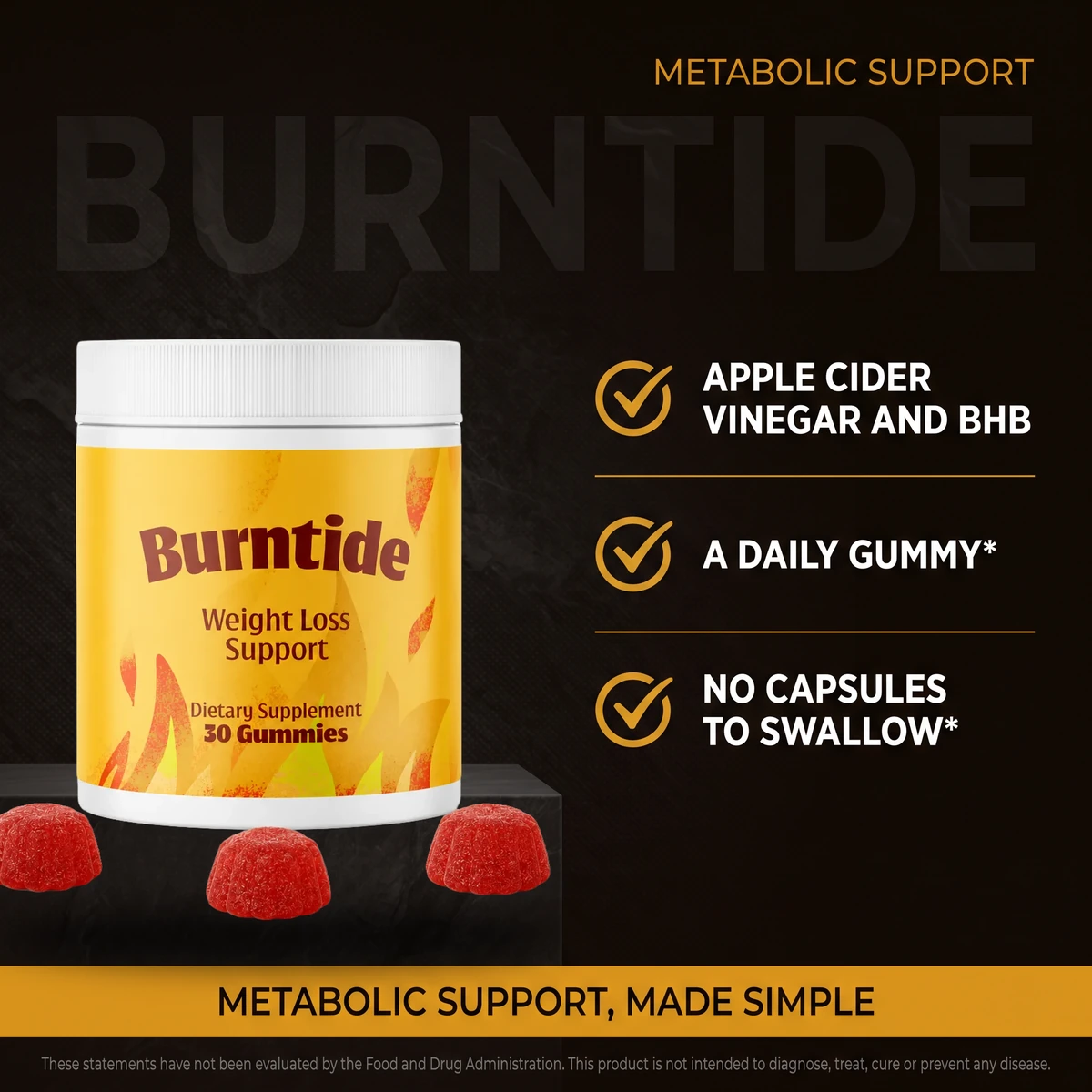
BurnTide delivers apple cider vinegar alongside calcium, magnesium and sodium BHB salts in one daily gummy — with the full Supplement Facts panel published on the product page so you can see exactly what is inside.
See BurnTide PackagesHow much acetic acid is in an ACV gummy?
This is where a little label literacy pays off. Liquid vinegar and gummies are not measured the same way, and it is easy to assume a gummy is a straight swap for a tablespoon of vinegar. It usually is not.
A tablespoon of liquid ACV (about 15 ml at roughly 5 percent acidity) contains somewhere in the region of 700–750 mg of acetic acid. Most gummies, by contrast, use a concentrated apple cider vinegar powder and list the ACV content in milligrams — frequently as part of a proprietary blend rather than as a standalone acetic-acid figure. That means the amount of acetic acid delivered by a single gummy is generally much smaller than a full tablespoon of the liquid, even when the milligram number on the label looks large.
Neither format is automatically “better.” A gummy trades a portion of the raw acid for convenience, taste and — importantly — a gentler experience for your teeth and stomach, since undiluted vinegar is harsh on tooth enamel. What matters is that you read the panel and understand what you are getting. We break the numbers down further in how much apple cider vinegar is in a gummy, and the general skill of decoding these panels is covered in how to read an apple cider vinegar gummy label.
What to look for on the label
Because acetic acid is rarely printed as its own line, here is how to read between the lines on an ACV product:
- The form of ACV. Is it apple cider vinegar powder, or a liquid? Powders are standard in gummies and are what most milligram figures refer to.
- The milligram amount. Note how many milligrams of ACV each serving provides, and whether it is stated on its own or folded into a proprietary blend.
- Whether the mother is mentioned. Some products highlight “with the mother.” That is a quality signal for the source vinegar, though it is separate from the acetic-acid content.
- What else is in the blend. In a dual-action formula, ACV is often paired with other actives so the product covers more than one moment in the day.
- Manufacturing standards. Look for a product made in an FDA-registered, GMP-certified facility.
Acetic acid, made easy to take every day
BurnTide pairs concentrated apple cider vinegar with BHB ketone salts in one fruit gummy — no sour shot, no enamel worries. The best value is the six-jar bundle, protected by a 60-day money-back guarantee.
Order BurnTide Today
How acetic acid fits a sensible routine
If you want to use an ACV product built around acetic acid, keep the approach simple:
- Be consistent. A small daily habit you keep beats an intense plan you drop in a week.
- Take it before a meal. The traditional pre-meal timing is where ACV has always been used; a gummy about 30 minutes before eating fits that pattern.
- Protect your teeth if you use liquid. Undiluted vinegar is acidic enough to erode enamel; dilute it, or use a gummy that sidesteps the problem.
- Judge it over weeks. Everyday metabolic support is gradual. Assess a routine over a month or two alongside balanced eating and movement, not overnight.
To see how a transparent formula presents its ingredients, you can always start from the BurnTide homepage, where the ACV and BHB blend is laid out with the full panel.
Frequently asked questions
What is acetic acid in apple cider vinegar?
Acetic acid is the main active compound in apple cider vinegar. It is the sour-tasting organic acid produced when bacteria ferment the alcohol in apple cider. It is what gives vinegar its tang and its low pH, and it is the ingredient most ACV research focuses on.
How is acetic acid made in apple cider vinegar?
It is made in two fermentation steps. First, yeast turns the natural sugars in apple juice into alcohol (hard cider). Then acetic-acid bacteria convert that alcohol into acetic acid, giving you vinegar — typically around 5 percent acetic acid by volume in a standard bottle.
Is acetic acid the same as the mother?
No. Acetic acid is the dissolved acid molecule spread evenly through the liquid. The mother is the cloudy, cobweb-like strands of cellulose and beneficial bacteria left over from fermentation. Both come from the same process, but the acid is the acid and the mother is the culture.
How much acetic acid is in an ACV gummy?
It varies by product. Gummies usually list apple cider vinegar in milligrams, often within a proprietary blend, rather than stating a separate acetic-acid figure. Because most gummies use concentrated ACV powder, the acetic-acid content is generally far smaller than a full tablespoon of liquid vinegar. Always read the Supplement Facts panel.
Why do people take acetic acid from apple cider vinegar?
Apple cider vinegar has been used traditionally before meals to support digestion, appetite and everyday metabolic balance, and acetic acid is the compound behind that reputation. It is a general, traditional-use role rather than a treatment for any condition.
Is acetic acid safe to consume daily?
Food-grade acetic acid from vinegar is widely consumed and generally well tolerated in normal amounts. Undiluted liquid vinegar can be harsh on tooth enamel and the throat, which is one reason many people prefer a gummy. If you are pregnant, nursing, under 18, taking medication or managing a health condition, speak with your healthcare professional first.
This guide was written and reviewed by the BurnTide Research Team, an independent group that reads the primary literature on metabolic-support ingredients and translates it into plain English. We work label-first: every ingredient claim on this site is checked against the published Supplement Facts panel, and we describe traditional or general use rather than making medical claims.
Our editorial rule is simple — if the research only supports a modest, general statement, that is exactly what we write. Nothing here is medical advice; for questions about your own health, speak with a qualified professional.
References
- National Library of Medicine, MedlinePlus — consumer information on vinegar and acetic acid.
- National Center for Biotechnology Information (NCBI), PubMed — research literature on acetic acid and apple cider vinegar.
- U.S. Food and Drug Administration — food standards on vinegar and acidity.
- BurnTide Supplement Facts panel — ingredient and serving details transcribed directly from the product label.
† These statements have not been evaluated by the Food and Drug Administration. This product is not intended to diagnose, treat, cure or prevent any disease. This article is for general information only and is not medical advice; speak with a qualified healthcare professional before starting any supplement.